Leave a Message

Thank you for your message. We will be in touch with you shortly.

Palm Beach Oceanfront Condos: Amenities, Fees And Value
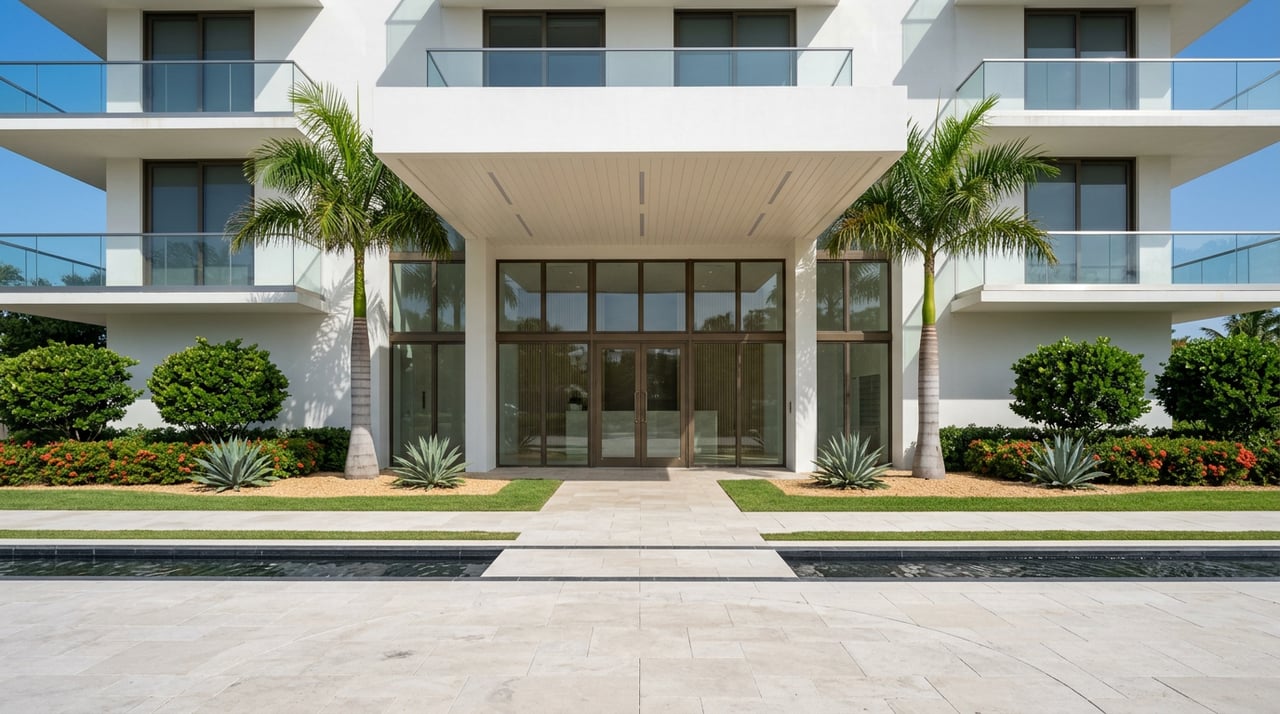
Palm Beach Oceanfront Condos: Amenities, Fees And Value

Does oceanfront living in Palm Beach deliver more than a view? Absolutely—if you know how to read the amenities, fees, and long‑term value behind each building. If you are considering a second home or a seasonal escape, it can be hard to compare boutique towers with full‑service resorts and older classics on the sand. This guide gives you a clear way to evaluate lifestyle, carrying costs, and risk so you can buy with confidence.

Below, you will learn how amenity tiers map to monthly assessments, what fees typically include, how new inspection and reserve rules affect budgets, and a smart checklist for due diligence before you write an offer. Let’s dive in.

Palm Beach condo amenity tiers

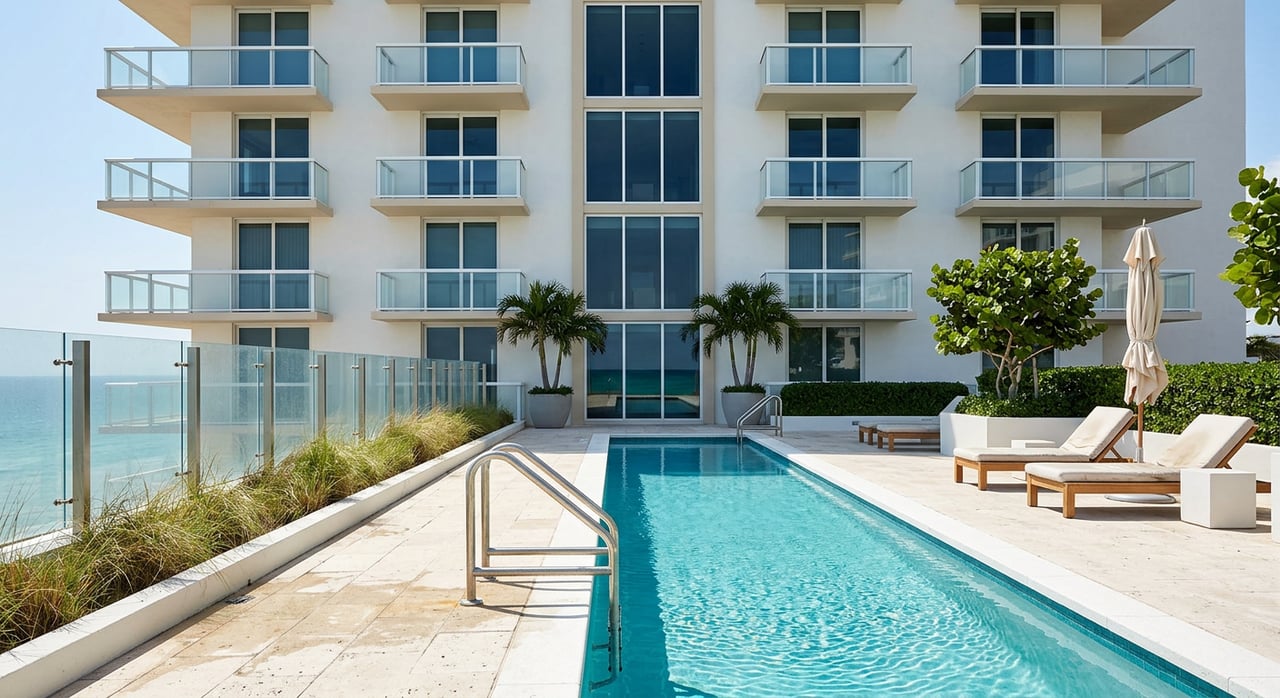
Oceanfront condominiums on the Town of Palm Beach barrier island tend to group into three service tiers. Each tier offers a different balance of privacy, staffing, and lifestyle.

Tier A: Boutique white‑glove

  • Private beach access or beach club
  • 24/7 doorman and concierge, valet, and on‑site engineering
  • Private garages or valet, dedicated storage, cabanas, and spa/sauna
  • Staffed services that may include housekeeping or pre‑arrival support

You pay for privacy and personnel here. Fewer owners share higher fixed costs, and staffing is extensive. Expect premium finishes, meticulous common areas, and a resort‑level experience inside a smaller building.

Tier B: Full‑service resort

  • Oceanfront pool decks and gyms with on‑site management
  • Staffed front desk or concierge with longer hours
  • Guest suites, towel service, and some valet or garage parking
  • Occasional resident dining rooms or food and beverage options

These properties keep a high level of convenience with more units to share the cost. The absolute monthly dues can still be significant because of insurance, multiple elevators, and expansive amenities.

Tier C: Essential amenity towers

  • Oceanfront pool, basic gym, and tennis courts in some cases
  • Lobby attendant or security with limited hours
  • Fewer staff and simpler common areas

Older oceanfront buildings can offer solid value if recent capital work is complete and reserves are healthy. You still enjoy the beach lifestyle with a simpler cost structure.

What HOA fees usually include

Florida condominium law defines common expenses broadly. Associations budget for operation, maintenance, and replacement of common elements, insurance, security, and other items set by the documents. You can review the statutory framework in Florida Statute Chapter 718.

In practice, your monthly assessment often covers:

  • Master insurance for the building and common areas
  • Staff payroll for front desk, engineering, janitorial, and pool/grounds
  • Common‑area utilities, elevator contracts, fire protection, and pest control
  • Property management fees and service contracts
  • Reserve contributions for future capital replacement
  • Bulk cable or internet in many associations

Confirm exactly which utilities are included, and which systems—like HVAC, water heaters, or interior plumbing—are an owner responsibility.

Typical fee ranges on the oceanfront

Based on representative MLS samples from 2024 through early 2026, many Palm Beach oceanfront condos cluster around roughly 1.00 to 2.00 dollars per square foot per month in assessments, with a wide range from a few thousand dollars monthly to five figures at the top end. Boutique, highly staffed buildings and penthouse‑scale residences sit toward the high side. Always verify current figures with the association’s most recent budget and statements.

A smart way to compare buildings is to compute the monthly assessment per square foot. That normalizes size differences and helps you line up similar amenity levels side by side.

The biggest cost drivers

Several variables explain why two oceanfront units can have very different monthly fees:

  • Amenity and staffing level. Personnel is often the largest line item in luxury buildings.
  • Insurance costs and deductibles. Florida wind and hurricane deductibles are typically percentage‑based and can be large. Learn more about how these work from the NAIC’s overview of hurricane deductibles.
  • Reserve funding. After Surfside, Florida requires milestone inspections and stronger reserve studies for structural components. These rules can lead to higher annual contributions or special assessments. See the state’s milestone inspection statute.
  • Building scale and complexity. Fewer owners sharing fixed costs can push per‑unit dues higher. More elevators, seawalls, and garages also raise operating and capital needs.
  • Age and capital projects. Facade, waterproofing, plumbing risers, and terrace work are common for older coastal towers. Milestone inspections often identify scope and timelines.

Insurance fine print to review

Two master‑policy items deserve close attention:

  • Coverage type. “Bare‑walls‑in” vs. “all‑in” determines what your personal HO‑6 must cover. Florida requires associations to obtain an insurance appraisal at least every 36 months to set replacement‑cost coverage, as noted in Chapter 718.
  • Hurricane deductibles. Many associations carry 2 to 5 percent deductibles, sometimes higher on the coast. If a storm hits and reserves are short, boards can levy assessments to fund the deductible. Ask for the deductible amount and the reserve balance in writing.

New inspections, reserves, and why they matter

Florida’s milestone inspections apply to buildings with three habitable stories or more and are now part of the ownership picture across coastal counties. Associations must complete inspections, prepare structural reserve studies, and fund the required reserves on schedule. Palm Beach County has implemented local milestone processes for compliance. You can see local resources on the county’s milestone inspections page and read the statewide statute for milestone and SIRS requirements.

Why this matters to you:

  • Budgets may rise to meet reserve targets and pay for identified repairs.
  • Buildings that act early can be more attractive to buyers and lenders.
  • Special assessments are more likely when past reserves were thin.

Financing and warrantability

If you plan to finance—or you want to preserve future resale options—project eligibility is important. Conventional investors like Fannie Mae require project reviews that evaluate reserves, insurance, litigation, and structural issues. Buildings with weak reserves or major repairs can be considered non‑warrantable, which limits conventional loan options. You can read how lenders screen projects in Fannie Mae’s Condo Project Manager and the Selling Guide’s full review process.

Two quick checks that help:

  • Ask the association for the annual budget and confirm the reserve contribution rate. Many lenders look for consistent funding aligned to the reserve study.
  • Request any recent reserve study and milestone or SIRS reports to identify material repairs.

Architecture, scale, and value

Palm Beach’s oceanfront has character shaped by history and scarcity. The island’s development includes Mediterranean and Spanish‑Revival influences associated with Addison Mizner, which you can explore through the Boca Raton Historical Society’s profile of Mizner. Strict local preservation and limited high‑rise density keep supply tight. That scarcity supports premium pricing for well‑located oceanfront buildings.

A few pointers on how scale can affect value and carrying costs:

  • Boutique buildings. Fewer neighbors often means higher per‑unit dues, balanced by privacy and white‑glove service that appeal to many second‑home buyers.
  • Larger towers. Fixed costs spread across more owners can temper dues, but complex structures, multiple elevators, and large amenity decks still require robust budgets.
  • Recent upgrades. Buildings that have completed concrete restoration, waterproofing, window upgrades, and amenity refreshes can command a premium and reduce near‑term special assessment risk.

How to compare value across buildings

Use this simple framework when you tour or review listings:

  1. Calculate the monthly assessment per square foot and compare within the same amenity tier.
  2. Note what the dues include: master insurance scope, bulk internet or cable, and any master‑metered utilities.
  3. Weigh staffing. A 24/7 desk, valet, and on‑site engineering add convenience and cost. Decide what you will use.
  4. Ask about recent or pending special assessments and the current reserve balance.
  5. Review milestone and SIRS findings, including timelines and funding plans.
  6. Confirm wind and hurricane deductibles and whether bylaws allow assessing owners for the deductible.
  7. Check rental and guest policies to ensure the building’s culture fits your plans.
  8. If financing, ask your lender early about the project’s eligibility and any recent approvals on file.

Due diligence checklist

Request these items before you finalize price or waive contingencies. Florida law provides for association records and budget access under Chapter 718.

  • Governing documents, current year budget, and line‑item dues breakdown
  • Reserve study and any Structural Integrity Reserve Study, plus milestone reports
  • Master insurance declarations page, limits, covered perils, and wind deductible
  • Recent board minutes and any notices of special assessments
  • Litigation summary and current financials or bank statements showing reserves
  • Rental policy, buyer approval requirements, and occupancy statistics if available
  • Flood zone data, elevation certificate if available, and seawall or beach maintenance responsibilities
  • Any recent lender project approvals or Fannie Mae CPM status for smoother financing

The bottom line

Palm Beach oceanfront living rewards careful evaluation. Amenity and staffing levels drive day‑to‑day lifestyle and much of your monthly assessment. New inspection and reserve rules can add near‑term cost but also create healthier buildings for the long run. When you compare per‑square‑foot dues, understand what is included, and verify reserves, insurance, and inspections, you position yourself to buy the right building at the right value.

If you want a local perspective on specific addresses and how they stack up, reach out for on‑the‑ground guidance. For a private consult and curated options tailored to your goals, connect with Erica Wolfe.
FAQs

What do Palm Beach condo HOA fees usually cover?

  • Most cover master insurance, staff, common‑area utilities and contracts, reserves, and often bulk internet or cable. Always confirm inclusions in the current budget.


How much are monthly assessments for oceanfront condos?

  • MLS samples from 2024–2026 cluster around about 1.00 to 2.00 dollars per square foot per month, with wide variation by size and service level. Verify each building’s budget.

How do Florida’s milestone inspections affect buyers?

  • Inspections and Structural Integrity Reserve Studies can identify repairs and require higher reserve funding, which may raise dues or lead to special assessments. Review reports in advance.

What insurance details should I check before buying?

  • Confirm whether the master policy is bare‑walls‑in or all‑in, the replacement‑cost appraisal date, and the hurricane deductible. Ask how deductibles are funded in a loss.

Why does building size change my carrying costs?

  • Fewer owners share fixed costs in boutique buildings, which can raise per‑unit dues. Larger towers spread costs wider but can have complex systems that keep budgets robust.

How does warrantability affect resale value?

  • If a building is ineligible for conventional financing due to reserves, insurance, litigation, or repairs, the buyer pool can shrink. Ask lenders about project status and documentation early.

Recent Blog Posts

Palm Beach Oceanfront Condos: Amenities, Fees And Value

Investing In Short-Term Rentals In Jensen Beach

Why Jonathan’s Landing Remains One of Jupiter’s Most Desirable Golf & Waterfront Communities

Should I sell my home in Jupiter now or wait for the spring market in 2026?

Beach, Golf Or Preserve? Hobe Sound Neighborhoods Explained

Commercial Real Estate Services in South Florida

Buyer Representation Real Estate in South Florida: Why Palm Beach & Jupiter Buyers Need It More Than Ever

Out-Of-Town? Book A Private Tequesta Buyer Tour

New Construction in Palm Beach Gardens: The Reserve at Eastpointe

Cash vs Financing In Jupiter's Luxury Market

Palm Beach Co-Op vs Condo: Key Differences For Buyers

A Guide to Horse Trails and Equestrian Living in Jupiter and Martin County

Best Restaurants in Northern Palm Beach County & Stuart

Artistry Palm Beach by Kolter Homes: A Fresh Take on New Construction Living in Palm Beach Gardens

North Palm Beach Marinas And Dry Storage Guide

HOA, POA, or Condo? Palm Beach Gardens Buyers Guide

Jumbo Loans In Jupiter: Limits, Rates, And Strategies

The Best Places to Watch the 2025 Palm Beach Holiday Boat Parade

All About Salerno Reserve: Stuart, Florida’s New Construction Community

Financing Waterfront In Hobe Sound: Insurance & Loans

What the Mamdani Win Means for Palm Beach County Real Estate: Spotlight on Jupiter

Discover Admirals Cove: Jupiter’s Most Prestigious Ultra Luxury Community

Inside Esprit at Avenir by Kolter Homes | Palm Beach Gardens’ New 55+ Luxury Community

A Guide to Private Schools in Northern Palm Beach County

Living In Hobe Sound: Daily Logistics That Matter

Inside Jupiter’s Luxury Coastal Market: What Sells Beachside in 2025

A Guide to Golfing in Jupiter, Florida and Surrounding Areas

What Makes a Wolfe Team Listing Stand Out - From Jupiter to The Wall Street Journal

Top Things to Do This Fall in Northern Palm Beach & Martin County (2025 Guide)

Why Homebuyers Love Canopy Creek in Palm City, Florida

Avenir Palm Beach Gardens: Community, Comfort & Convenience

NewField in Martin County: A Sustainable New Way of Living in Palm City

Astor Creek Golf & Country Club: Resort-Style Homes on Florida’s Treasure Coast

Best Happy Hours in Jupiter, Tequesta and Beyond!

Why the Wealthy Are Choosing Jupiter Over the Hamptons (and Not Looking Back)

Discover Frenchman’s Creek: Palm Beach Gardens’ Ultra-Luxury Golf & Resort Community

20 Amazing Summer Activities for Families in Jupiter, Florida

How to Buy a Boat-Ready Property in Jupiter, Florida: A Guide for Waterfront Buyers

What $2M Gets You in Jupiter, FL vs. Miami or Palm Beach

Buying or Selling a Foreclosure Home

Selling Your Home During Divorce

A Step-by-Step Guide to Selling a Home in Probate

Tips for Empty Nesters Downsizing in Jupiter, FL

How to AirBnB an Investment Property in South Florida

Palm Beach Holiday Boat Parade 2024: Dates, Times, Best Viewing Spots, and Event Guide

Experience the Magic of the Palm Beach Holiday Boat Parade
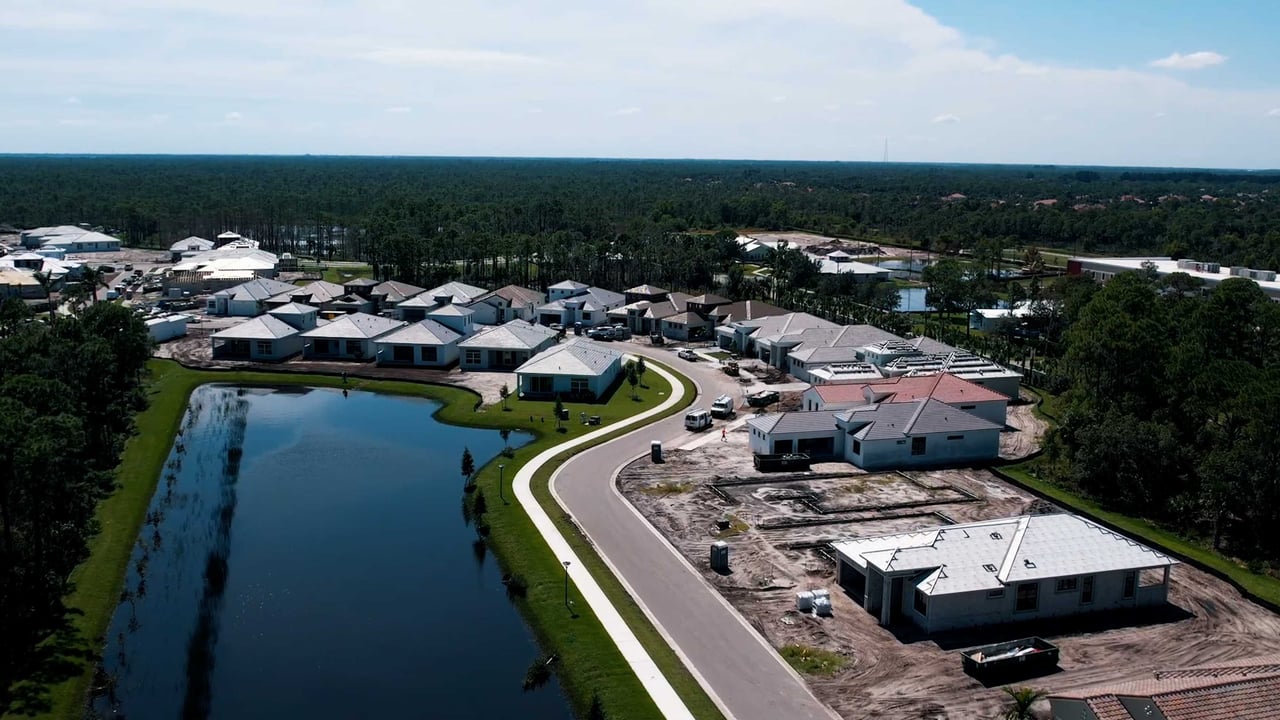
Discover Cove Royale in Stuart, FL – New Construction Luxury by Kolter Homes!

Best Fall Activities in Jupiter, Florida: Your Guide to Seasonal Fun

Affordable Luxury: Discover Egret’s Landing in Jupiter, Florida

Luxury Living at Symphony at Jupiter

Where to Watch The 2023 Palm Beach Holiday Boat Parade!

Resort Style Community Evergrene in Palm Beach Gardens, Florida

Copperleaf: New Construction Luxury Homes in South Florida

Fall Activities in South Florida

Trusted Contractors and Specialists

Inside Ranch Colony - Jupiter Farm's Luxury Gated Community

Jupiter Country Club: The Ultimate Luxury Lifestyle in Jupiter, Florida

SeaGlass Condo's for Sale - Jupiter Island Luxury Condominiums

A Spectacular 4th of July Guide for Jupiter, Florida

Summer in Jupiter

It's officially our favorite time of the year in Jupiter.

Jupiter Inlet Colony: Discover Florida's Coastal Hideaway

Canopy Creek - New Construction Community in Palm City, FL

Mother's Day Plans in Jupiter

Renovating Your Way to Your Dream Home: Advantages of Buying a Fixer-Upper in Jupiter, FL

New Construction Community in Lake Worth, FL!

Sonoma Isles of Jupiter: Discover the Luxurious Homes and Amenities

New Construction Community in Stuart with 284 Home Sites & 11 Models

Arden - The Perfect South Florida Home Retreat

Best Restaurants in Jupiter!

Wolfe Team Approved Services around Jupiter, FL

2022 Palm Beach Holiday Boat Parade

Community Experts and Marketing Masters

Thanksgiving Meals To Go Near Jupiter

Hurricane Preparedness Guide for Jupiter, Florida: Stay Safe and Secure

Reliable Service Suppliers in Palm Beach & Martin County

The Reserve at Jupiter - New Construction

Fall Activities In Jupiter and South Florida

Jupiter's New Luxury Community - Bridgewater by DiVosta

A Comprehensive Overview of Homestead and Portability in Palm Beach County

All the Best Things About Jupiter Farms

Jupiter Farms is an unincorporated community located in Palm Beach County.

5 Things to Do in Palm Beach and Martin County to Keep Cool This Summer

We have a few ideas for staying cool around Palm Beach and Martin County.

Tour This Stunning Corner Lot Jupiter Farms Pool Home!

Coastal meets modern in this effortlessly classic 3 bedroom 2 bathroom CBS Jupiter Farms.

Work With Us

Strategic Marketing, Clear Communication, and Experience have consistently placed Erica Gouldy Wolfe, and now the Wolfe Team, among the top professionals in the real estate industry. Utilizing the latest technologies and marketing strategies they are raising the bar in the industry, all while raising the views on your home.