Planning to shortlist an oceanfront condo in Juno Beach from out of town? You are not alone. With limited oceanfront buildings and a quieter beach scene, Juno Beach rewards a focused, well‑planned weekend. In this guide, you will learn which buildings to prioritize, how pet and rental rules work, what amenities to expect, how financing differs for condos, and what your budget typically buys. You will also get a step‑by‑step weekend plan and a due‑diligence checklist to move fast with confidence. Let’s dive in.
Why Juno Beach stands out
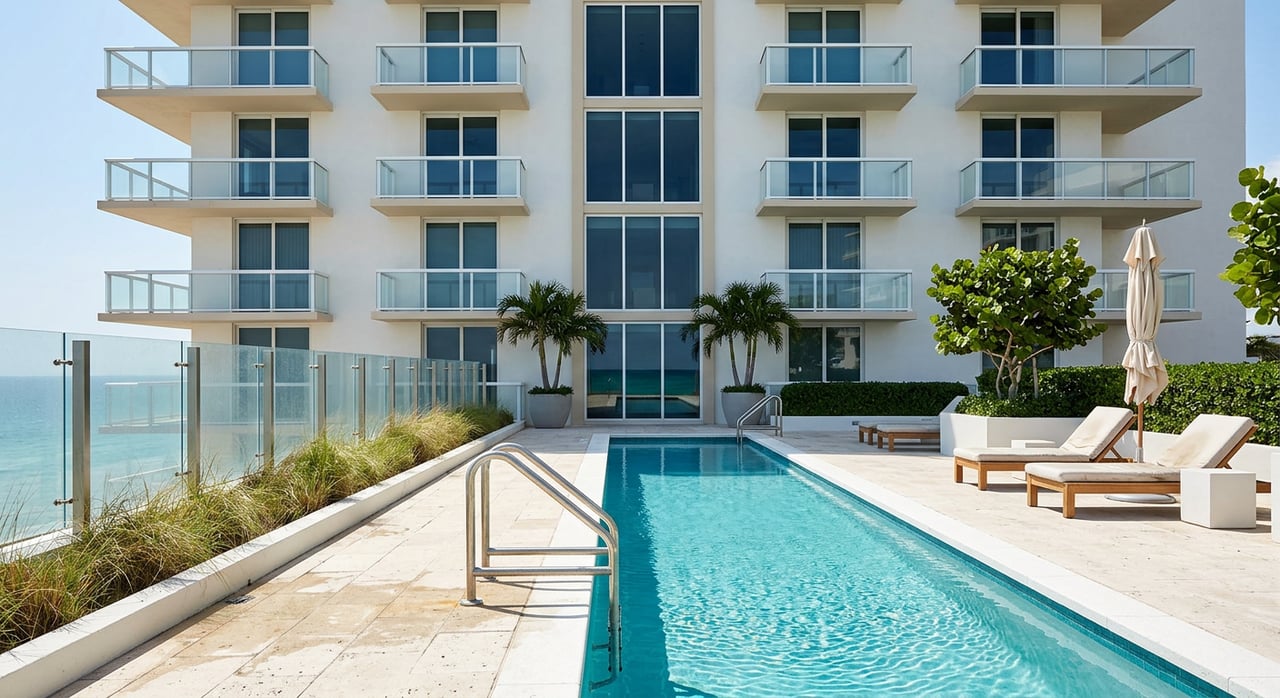
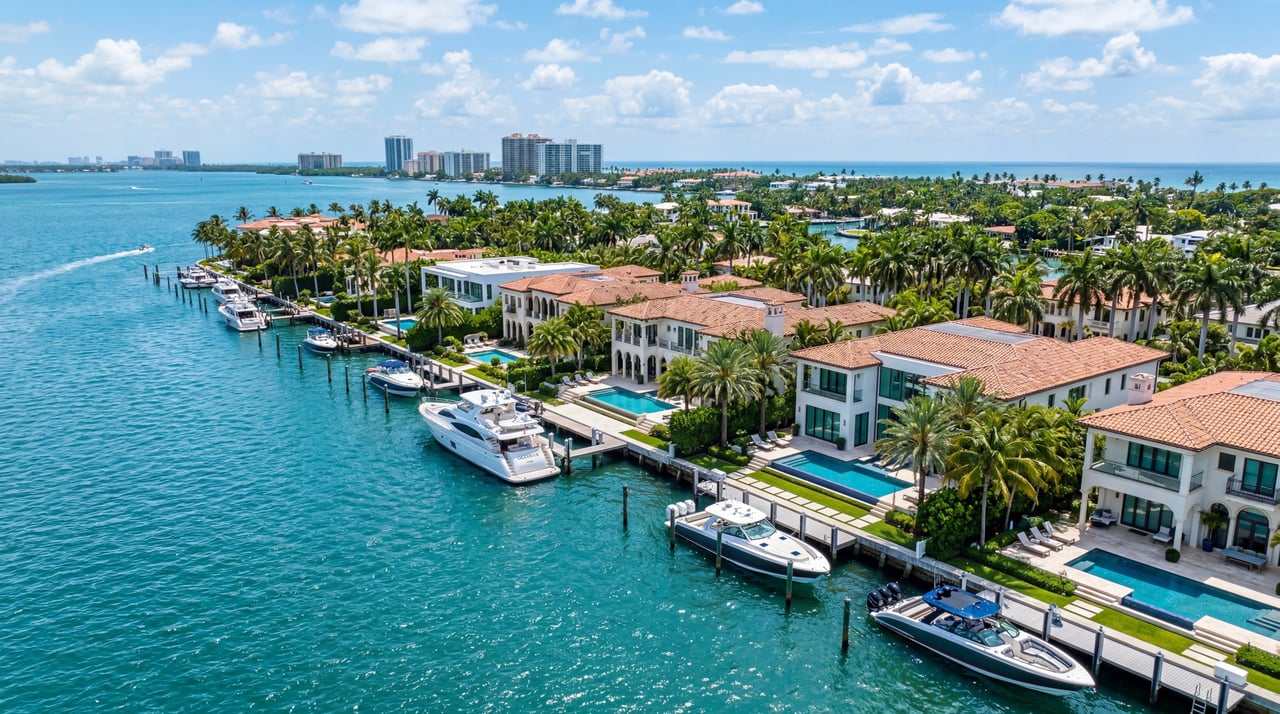
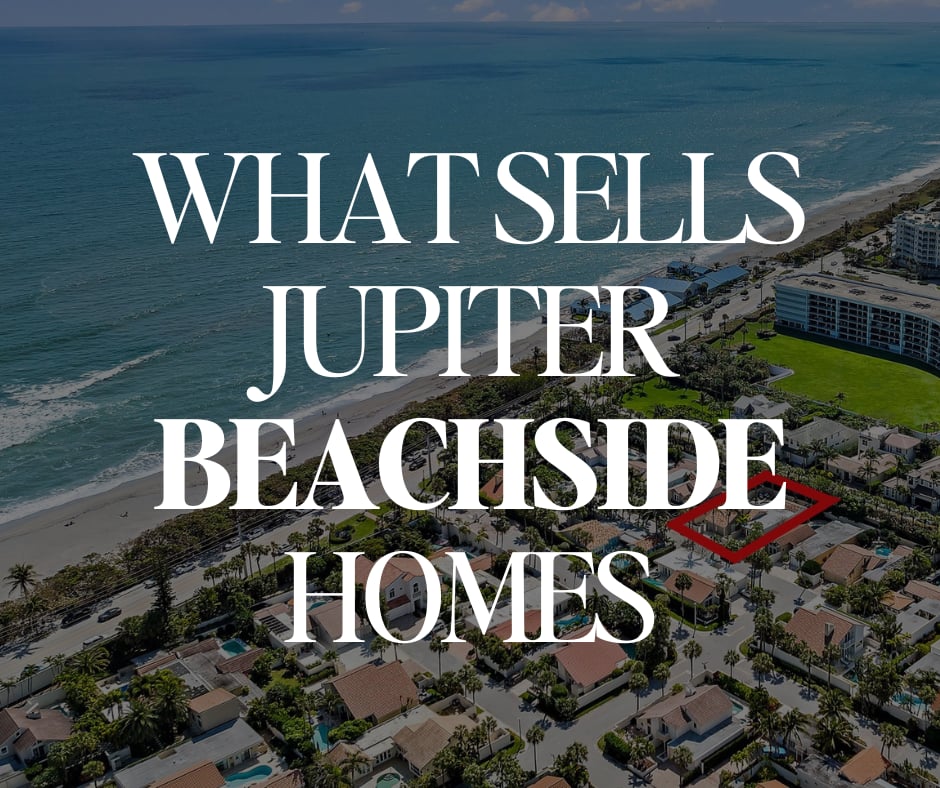
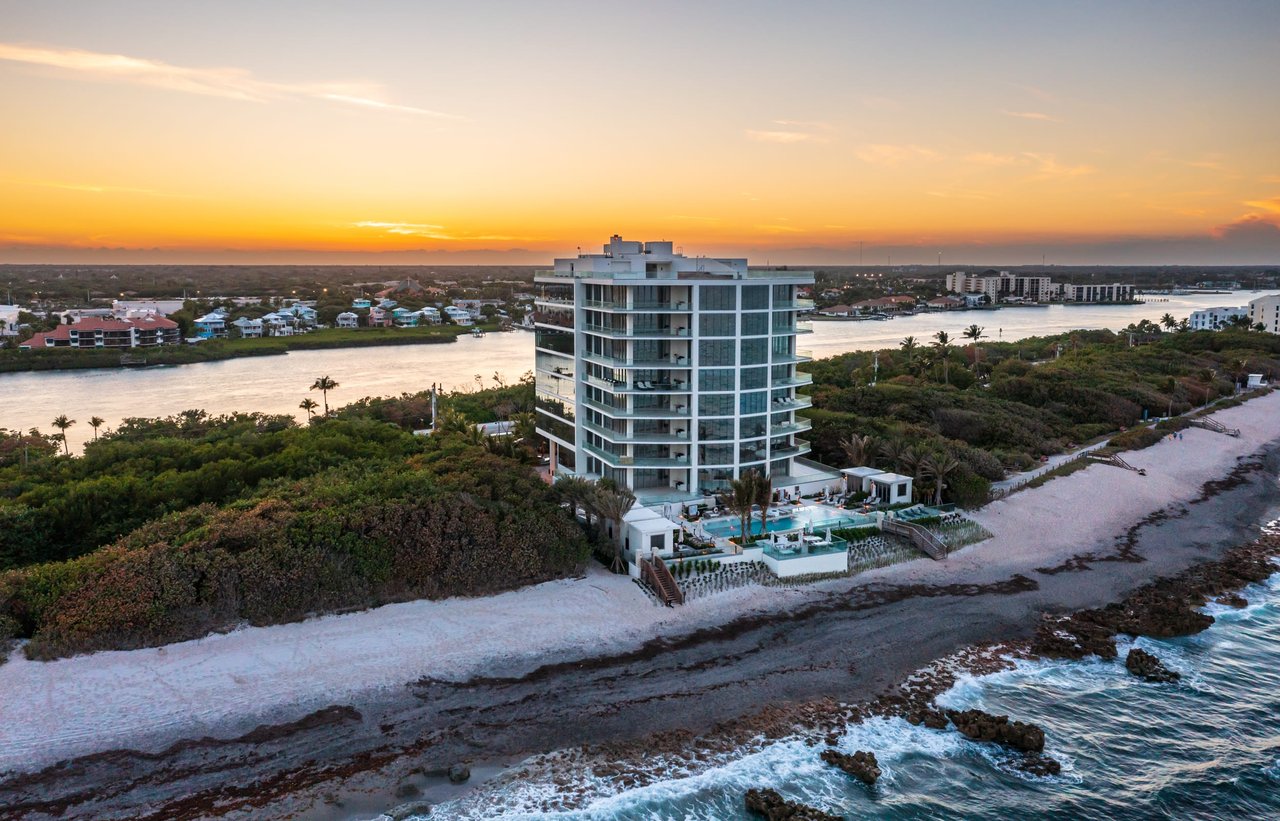
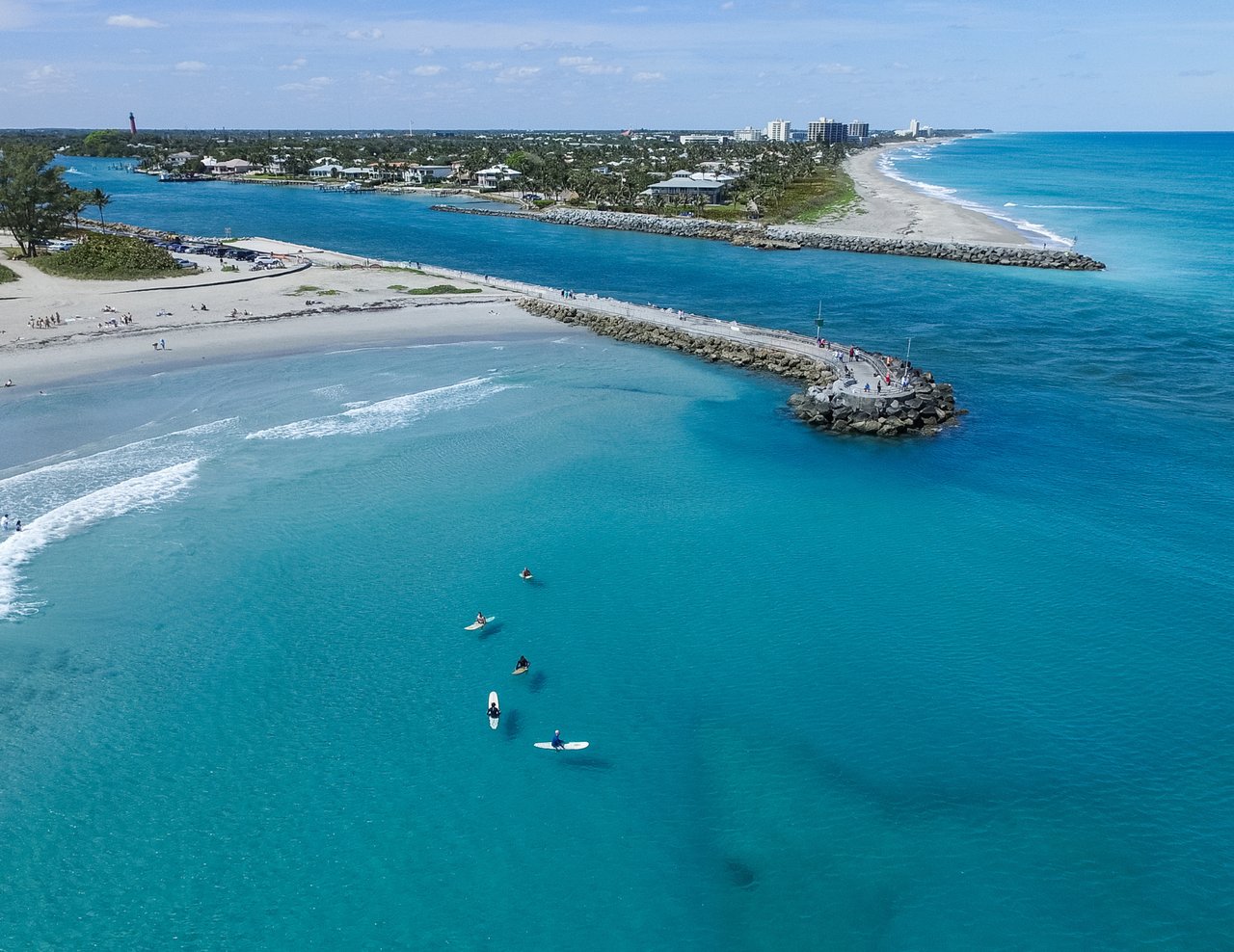
Juno Beach offers a small, limited stretch of oceanfront condos rather than a long resort corridor. This constrained supply is one reason oceanfront units here often trade at a premium compared to many inland neighborhoods nearby. You will find more residential buildings and fewer large hotels, which supports the town’s lower‑key feel and measured approach to growth. Learn more about the town’s priorities on the Town of Juno Beach website.
If you want a quieter coastal base and direct beach access, Juno Beach is a strong fit. The tight inventory also means preparation matters. Having a building shortlist and a clear plan helps you act when the right unit appears.
Building ages and what to expect
Oceanfront and ocean‑adjacent buildings in Juno Beach were built in waves from the late 1960s through the 2000s. Representative build years and floor plans appear across this range, which you can scan on MyCondoPlans’ Juno Beach overview.
Shortlist candidates to see first
- Beachfront at Juno, 530 Ocean Dr (1993). Mid‑to‑high amenity building with direct beach access and garage parking in many stacks.
- Oceanfront at Juno Beach, 570 Ocean Dr (mid‑1990s). Larger floor plans and penthouse offerings have reached the $3M+ tier in recent years.
- Ocean Royale (North & South), 700 Ocean Royale Way (~2000). Two towers with modern amenity packages and larger footprints common to 2000s construction.
- Waterfront on the Ocean, 800 Ocean Dr (~1996). Boutique mid‑rise with a smaller unit count and a more intimate feel. See a quick building snapshot via Waterfront on the Ocean.
- Juno by the Sea (multiple buildings, 1970s). Older low‑ to mid‑rise options with smaller floor plates and good renovation potential.
What the build era means for you
- 1960s–1980s stock. Often smaller floor plates and lower ceiling heights. You will see more unit‑to‑unit variation, which can present renovation value if you prefer to customize.
- 1990s–2000s towers. Typically larger footprints, more modern amenities, secured entries, and higher HOA dues that reflect full amenity programs and stronger reserve budgets.
Amenities, parking, and systems to review
Core features you will usually find
- Direct or deeded beach access.
- Oceanfront or heated pools.
- Fitness rooms and social spaces in larger buildings.
- Secured lobbies, on‑site management, and sometimes concierge service.
- Elevators and assigned, covered, or garage parking, with deeded spots in many newer buildings.
- In premium tiers, private cabanas, extra storage, and in select penthouses, rooftop terraces.
What varies by building
- On‑site management and concierge are more common in newer, larger towers than boutique properties.
- Some buildings add tennis or pickleball courts, club rooms, and 24‑hour staffing, while others keep fees lower with a simpler amenity set.
Coastal systems that drive costs
Focus on big‑ticket items that affect reserves, special assessments, and insurance: roof and balcony membranes, elevator condition, and whether the unit has impact‑rated windows and doors. Ask for the association’s most recent reserve study and engineer reports. For a quick background on how lenders view condo projects, see Freddie Mac’s condo guidance.
Pet and leasing rules you must confirm
Policies are set building by building. Some oceanfront buildings allow pets with size limits, while others prohibit pets. Rental minimums can range from 30 days in rare cases to 120 days or 6–12 months. These rules can make or break your plan for seasonal use or income, so verify them early in your search.
- Pet allowances and size limits are not uniform. Always read the condo documents and verify with the association.
- Leasing rules often include minimum lease terms, waiting periods for new owners, and total lease caps per year.
- Independent of the HOA’s rules, Palm Beach County requires registration and monthly remittance of the Tourist Development Tax for transient rentals, and you must display your registration number in ads. Review the Palm Beach County Tourist Development Tax guidance.
- The Town of Juno Beach has evaluated short‑term rental fee structures. If you plan to rent, check both the Town’s website and its financial statements and meeting materials on STR fees in addition to your HOA rules.
Before you bid: Check (1) HOA lease minimums and waiting periods, (2) HOA rules about transient rentals and subletting, (3) Palm Beach County Tourist Development Tax and Business Tax requirements, and (4) Town of Juno Beach local rules.
Financing and condo warrantability
Conventional loans are sensitive to the project’s health. Lenders and secondary‑market buyers evaluate owner‑occupancy, commercial space, reserve funding, delinquencies, and litigation. If a project is non‑warrantable, your interest rate and down payment options may change.
- Ask your lender early whether the building is considered warrantable.
- Red flags include a high share of investor‑owned units, more than 35 percent commercial use, high HOA delinquencies, low reserves, significant litigation, or condo‑hotel operations.
- For an overview of how lenders assess condos, share Freddie Mac’s condominium guidance with your loan officer.
What your budget typically buys
Inventory is tight and prices move with view, floor, and finish. These tiers are a working guide based on recent market snapshots.
- Entry to lower mid‑range (about $600k to $900k). One to two bedrooms in boutique ocean‑adjacent buildings, or lower‑floor units in mid‑rise oceanfront properties. Expect simpler amenity sets or older interiors you may wish to update.
- Mid‑range oceanfront (about $900k to $1.9M). Two to three bedrooms with direct ocean views, often on mid to upper floors in buildings like Beachfront at Juno or Ocean Royale, depending on size and finishes.
- Premium and penthouse ($2M to $4M+). Larger floor plans and penthouses in buildings such as Oceanfront at Juno Beach, often with expansive terraces, deeded garage spaces, and top‑tier amenities.
View and floor level matter. A higher‑floor, unobstructed oceanfront stack with a deeded garage space and a private cabana usually commands a meaningful premium versus a lower floor or a partially obstructed view in the same building.
Juno vs. Jupiter vs. North Palm Beach
- Juno Beach. Small‑town feel, limited oceanfront inventory, and a strong concentration of true beachfront condos. That scarcity supports higher premiums for direct oceanfront product.
- Jupiter. More varied oceanfront and near‑beach options and a busier restaurant and retail scene. The tradeoff is more activity and traffic, which some buyers love and others avoid.
- North Palm Beach (Village). A wide mix of inland and water‑adjacent condos. It can offer lower price points than immediate oceanfront Juno, but you will trade proximity to the sand for Intracoastal or inland settings.
Use these differences to align your weekend tour with your lifestyle goals, then refine your shortlist to 3–6 buildings.
Your 48–72 hour oceanfront weekend plan
Pre‑trip: 3 to 7 days before
- Get a mortgage pre‑approval or gather proof of funds.
- Ask your agent to assemble a shortlist of 3–6 buildings with one lower‑cost backup.
- Request one‑page HOA summaries for each building: pet rules, rental minimums and waiting periods, recent or pending special assessments, budget and reserve percentage.
- If available, review 6–12 months of meeting minutes for each building.
- If you are considering renting seasonally, read the Palm Beach County TDT rules and confirm Town of Juno Beach requirements on the Town website.
Day 1 morning: first look
- Drive by each building for street approach, parking access, and general setting.
- Tour 2–3 units for 30–45 minutes each. Coordinate with your agent for building access and any manager or concierge scheduling.
Day 1 afternoon: context and lifestyle
- Walk the pier and nearby parks to understand how you will access the beach daily.
- Check local dining and grocery options within a 10‑minute drive.
Day 2 morning: deeper dive on top picks
- Return to your top 1–2 buildings. Spend time on the balconies to assess view corridors and morning light.
- Inspect common areas, pool decks, gyms, storage lockers, and garage entries.
- Ask the on‑site manager about recent or planned capital projects and any upcoming assessments.
Post‑visit: tighten due diligence
- If you plan to write an offer, ask your agent to order the condo questionnaire and full HOA documents.
- Share the HOA budget, reserve study, and insurance information with your lender to confirm project warrantability.
- For property specifics like parcel number and mapping, consult the Palm Beach County Property Appraiser (PAPA).
Due‑diligence checklist for condo buyers
Use this list to keep your review tight and timely.
- HOA declaration and bylaws, rules and regulations, and any rental addenda.
- Current year budget, reserve study, financial statements, and insurance master policy details.
- Meeting minutes for the last 6–12 months.
- Any notices of special assessments, project‑wide repairs, or litigation.
- Maintenance and repair history for roofs, elevators, balcony work, and building envelope.
- Pet rules, lease minimums, lease caps, and owner waiting periods.
- Owner‑occupancy ratio, investor concentration, and any commercial use within the project.
- If renting seasonally, confirm Palm Beach County TDT requirements and Town of Juno Beach rules.
Ready to refine your shortlist?
If you want a quiet stretch of sand, direct beach access, and a focused weekend that respects your time, Juno Beach delivers. Our team can help you compare buildings, decode HOA documents, and schedule a productive two‑day tour so you are ready to act. To plan your visit, reach out to Erica Wolfe for a personalized shortlist and next steps.
FAQs
What makes Juno Beach oceanfront condos different from nearby areas?
- A small cluster of oceanfront buildings, a quieter residential vibe, and limited supply that often supports premium pricing for direct beachfront units.
How do pet policies work in Juno Beach condo buildings?
- Rules vary by building, from size‑restricted allowances to no‑pet policies, so always verify in the HOA documents before you tour or write an offer.
Can I use my Juno Beach oceanfront condo for short‑term rentals?
- Many buildings require minimum lease terms such as 120 days, and Palm Beach County requires TDT registration and monthly filing for transient rentals.
What does “warrantable” mean for a Juno Beach condo mortgage?
- A warrantable condo meets lender and secondary‑market standards on reserves, occupancy, delinquencies, and litigation, which supports smoother conventional financing.
How do view and floor level affect price in Juno Beach condos?
- Higher floors with unobstructed ocean views, deeded garage spaces, and extras like cabanas usually command a noticeable premium over lower or obstructed stacks.
What should I ask the HOA or on‑site manager during a building tour?
- Ask about recent and planned capital projects, reserve funding, special assessments, insurance changes, rental rules, and any pending litigation or structural studies.