Inside The Jupiter Island Luxury Home Market
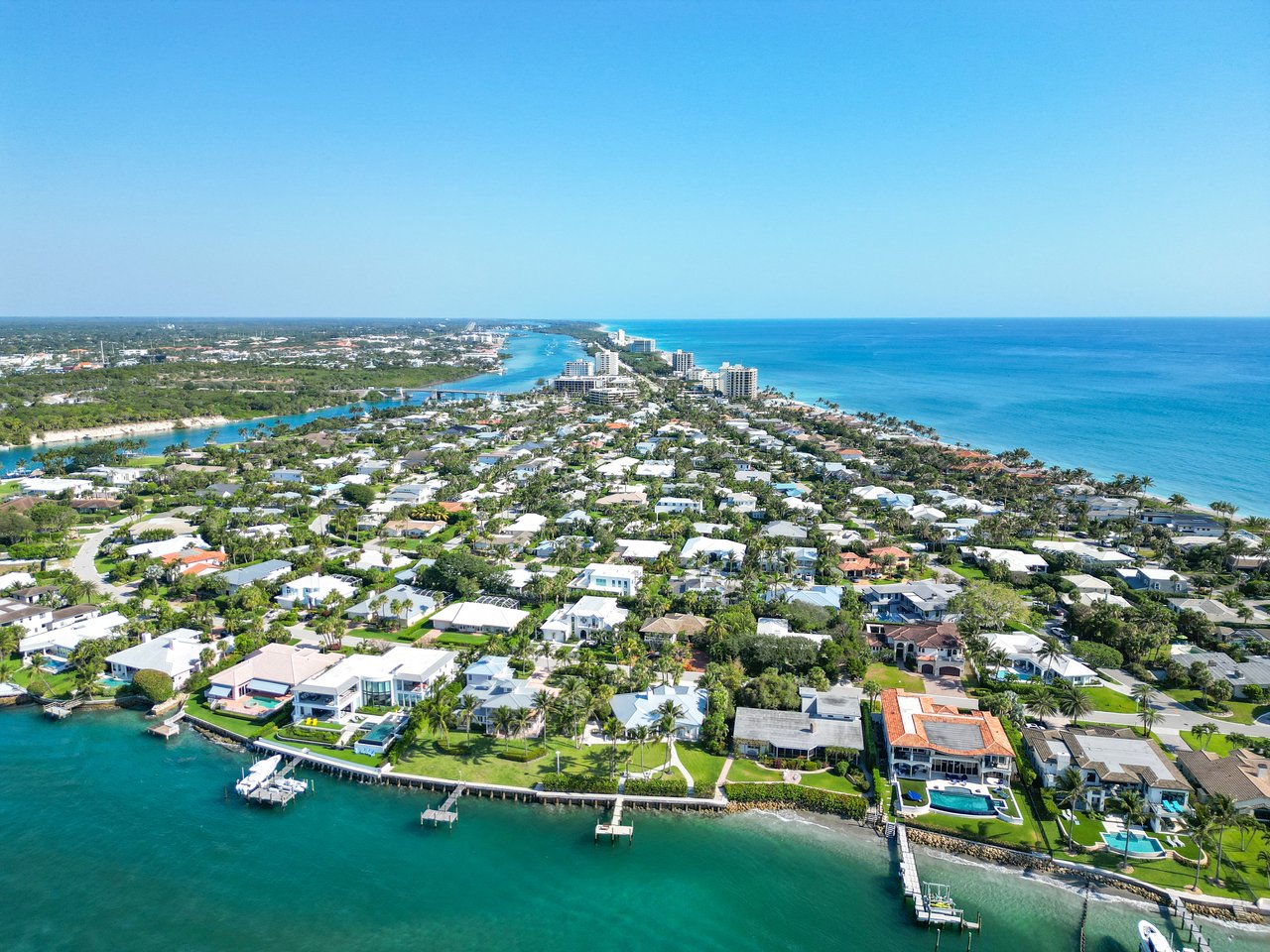
If you are looking at Jupiter Island, you are not shopping a typical luxury market. You are stepping into a tightly held stretch of coastline where privacy, waterfront position, and land can matter just as much as the home itself. Understanding how this market works can help you make smarter decisions, whether you plan to buy, sell, or simply watch the island more closely. Let’s dive in.
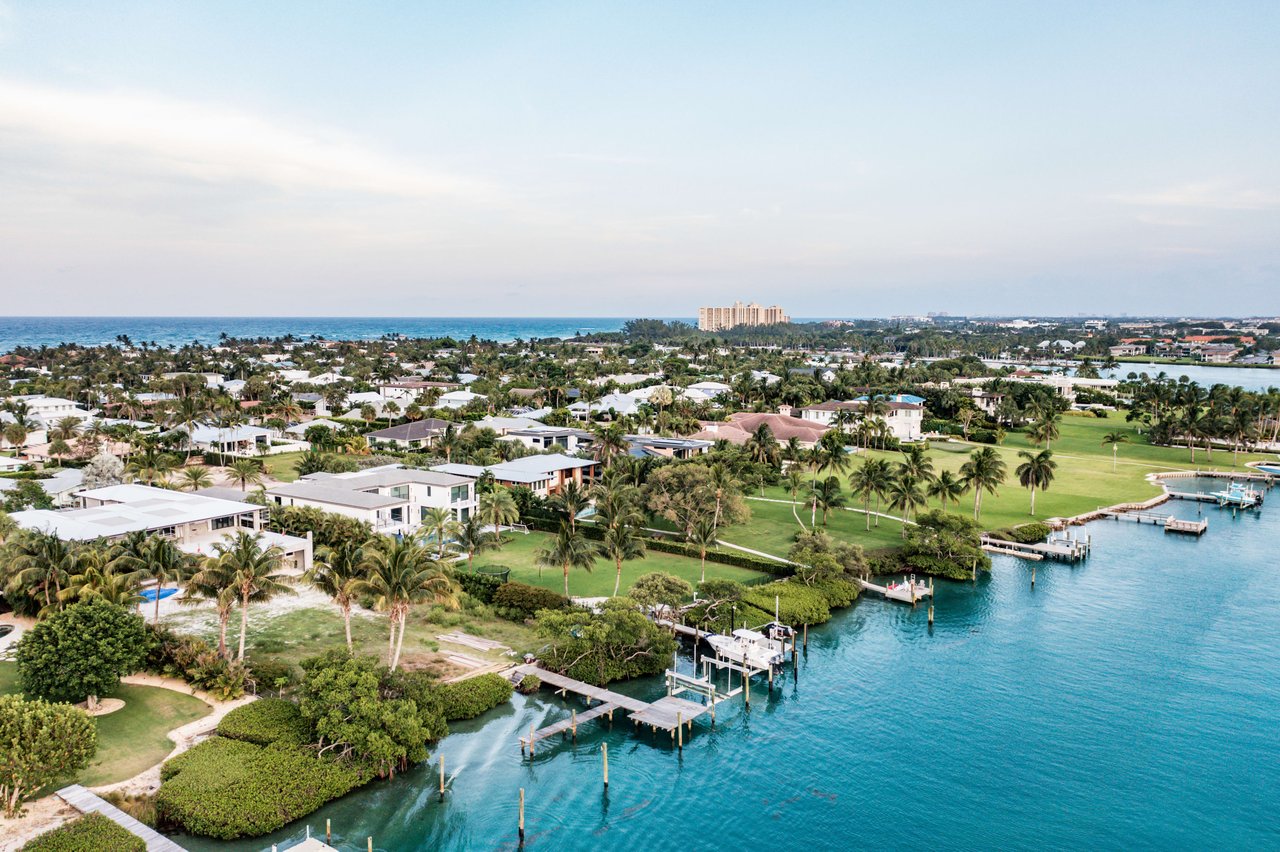
Jupiter Island is a barrier-island town at the south end of Martin County with about 1,643 acres, nine miles of Atlantic frontage, the Intracoastal Waterway along its west side, roughly 820 permanent residents, nearly 2,000 seasonal residents, and 705 taxable parcels. That small physical footprint shapes everything about the market.
Unlike larger luxury areas with more turnover and more replacement options, Jupiter Island offers very limited inventory. Fewer parcels and more privacy buffers create a market that feels exclusive by design, not just by price point.
The town’s planning framework reinforces that identity. Jupiter Island is intended to remain a low-density residential community centered on secluded estates, conservation, and preservation, with new housing limited to single-family homes and accessory quarters mainly for guests or employees.
Jupiter Island does not function like a neighborhood of standard homes on standard lots. Local land-development rules require a minimum lot area of 25,000 square feet, a minimum width of 100 feet, one dwelling unit per lot, a two-story height cap, and a maximum principal-dwelling floor area of 10,000 square feet.
Those rules help preserve the open, estate-like character buyers expect here. They also mean that lot configuration, setbacks, and sight lines can carry real value, especially on waterfront properties where view corridors matter.
In practice, many parcels are larger than the minimum requirements. Current listing examples in the market include multi-acre waterfront estates, properties with nearly 200 feet of frontage, and oceanfront homes with substantial shoreline exposure. That is why buyers often focus first on the land and water relationship, then on the house.
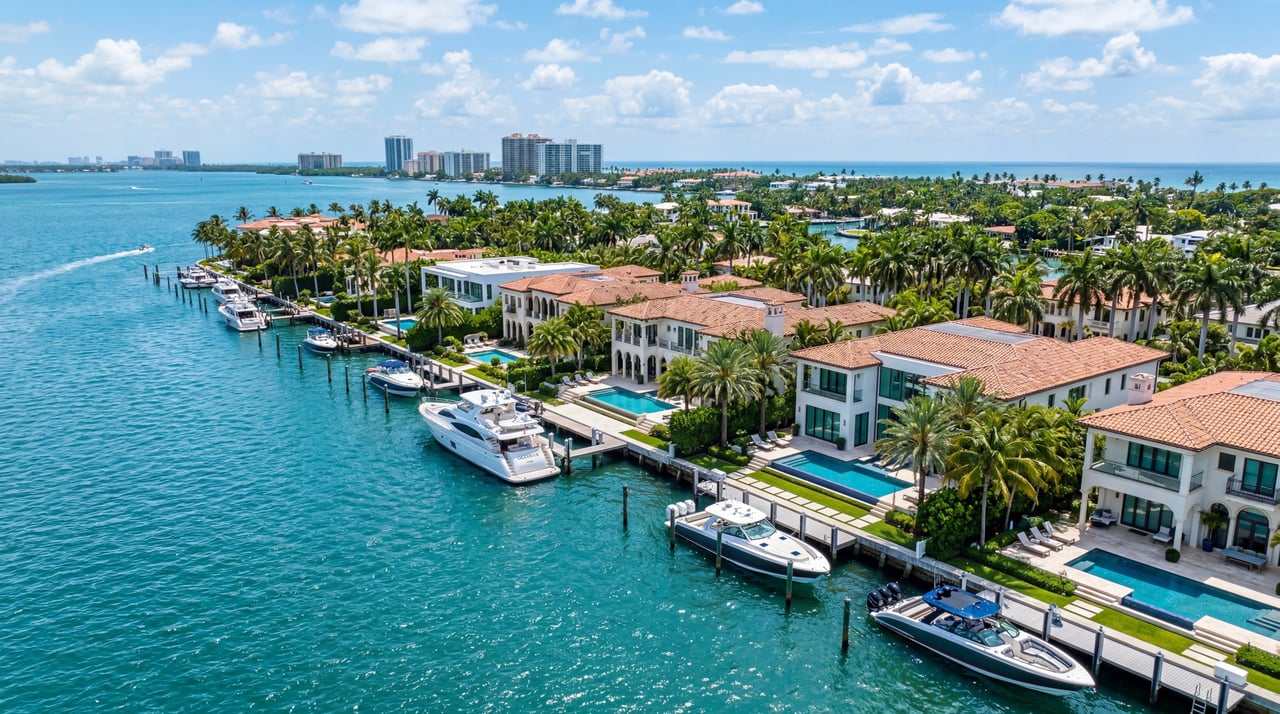
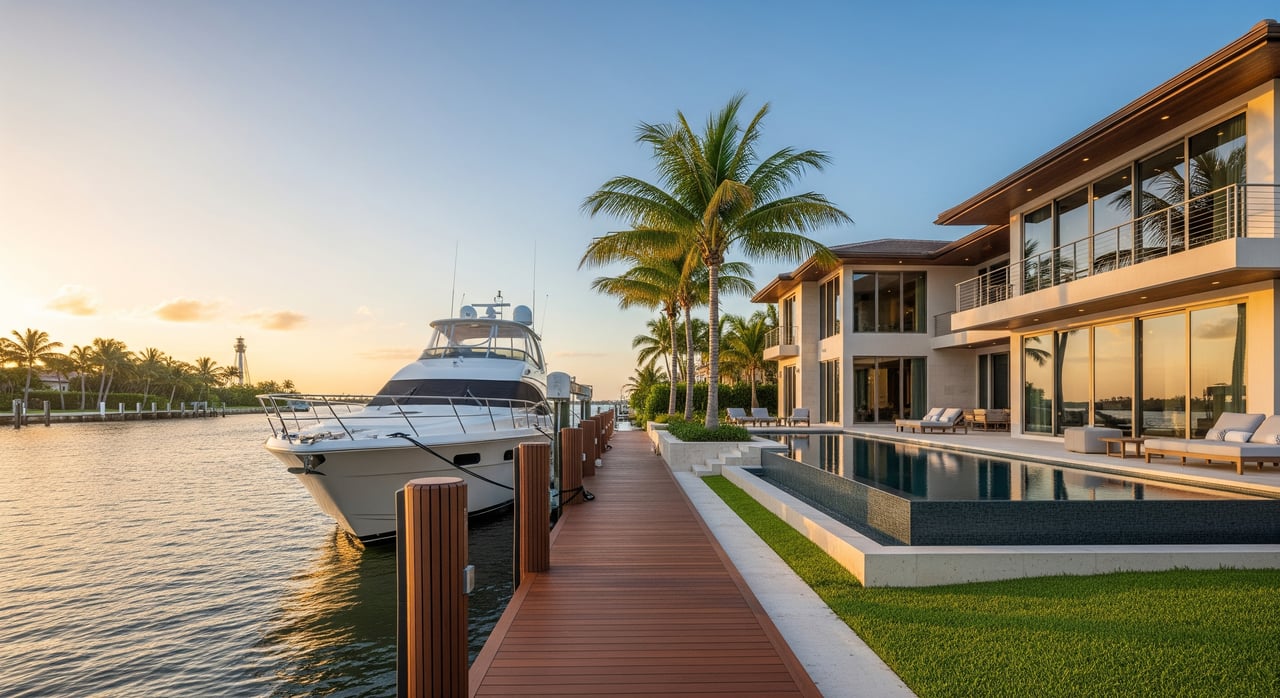
One of the biggest drivers of price on Jupiter Island is waterfront type. Because the island sits between the Atlantic Ocean and the Intracoastal Waterway, the market includes direct oceanfront, Intracoastal-front, and the especially rare ocean-to-Intracoastal properties.
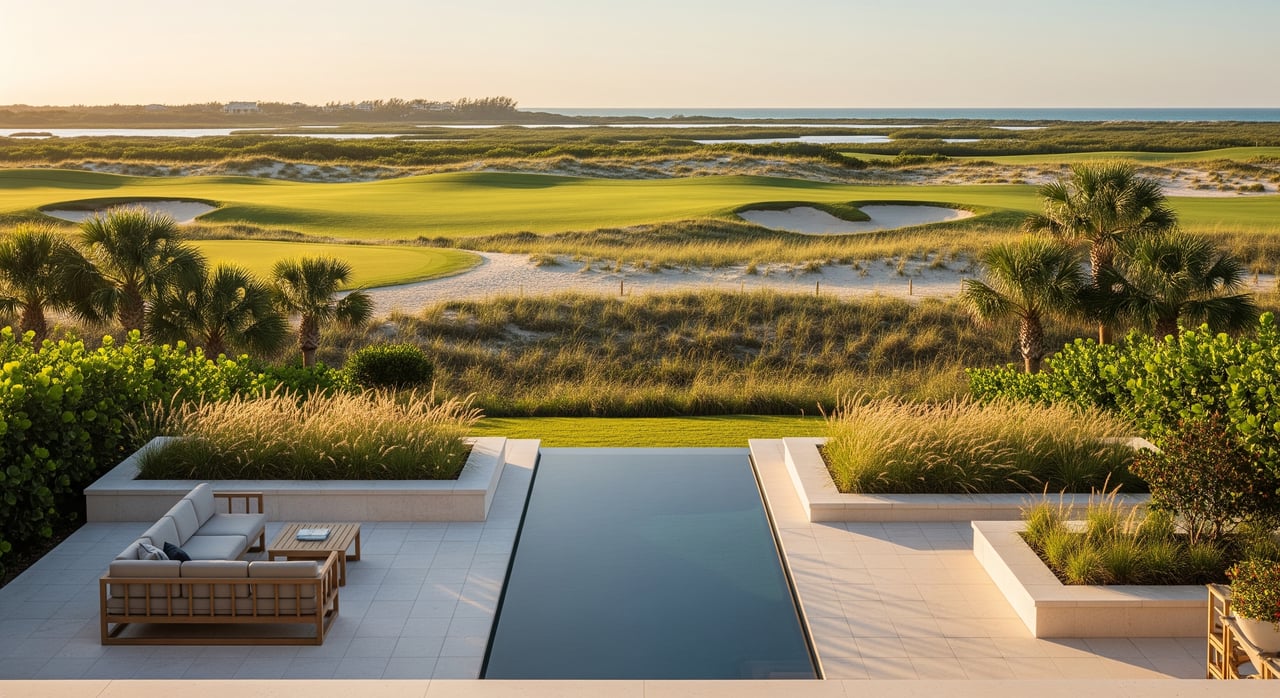
Some homes also command attention because of preserve adjacency or long water views, even without direct dual frontage. In this market, view depth, privacy, and boating utility can change buyer demand in a meaningful way.
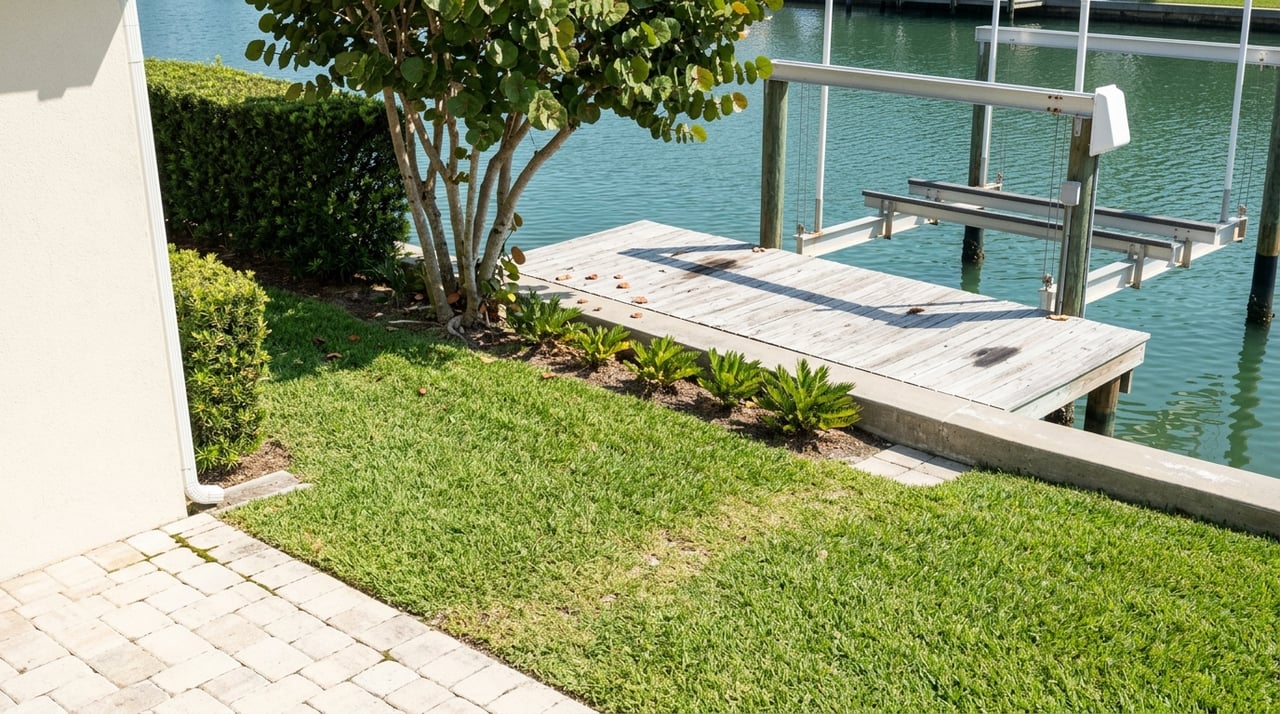
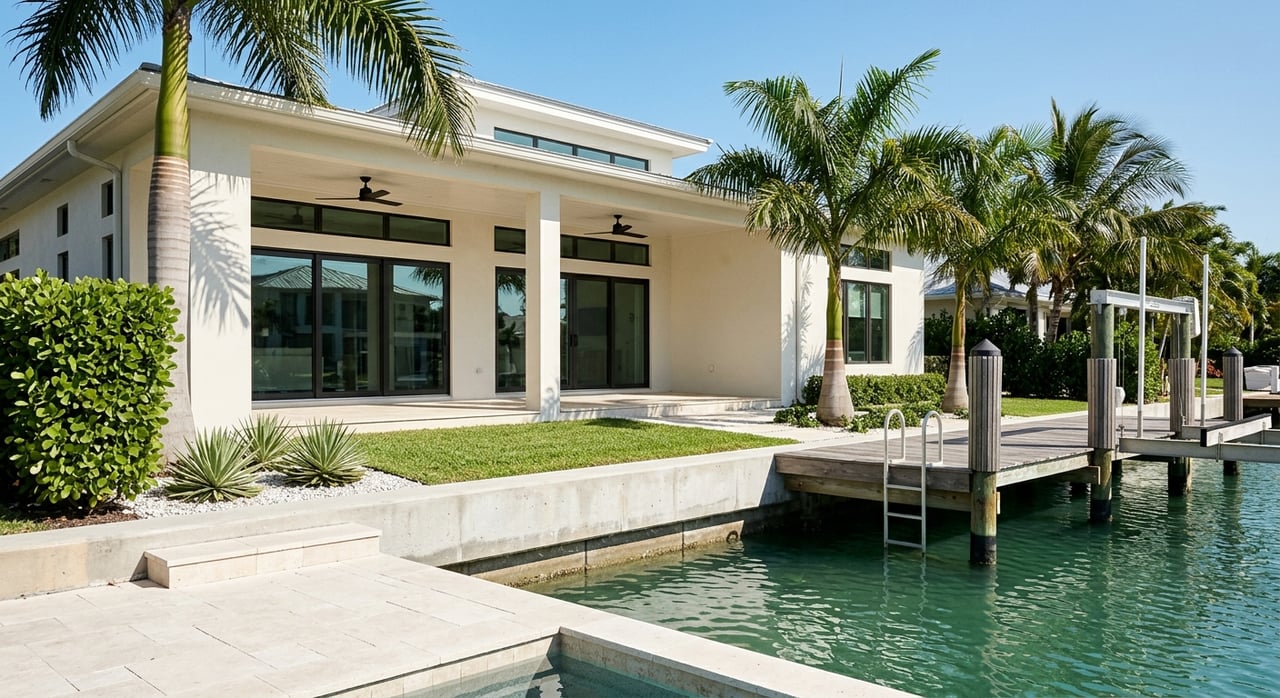
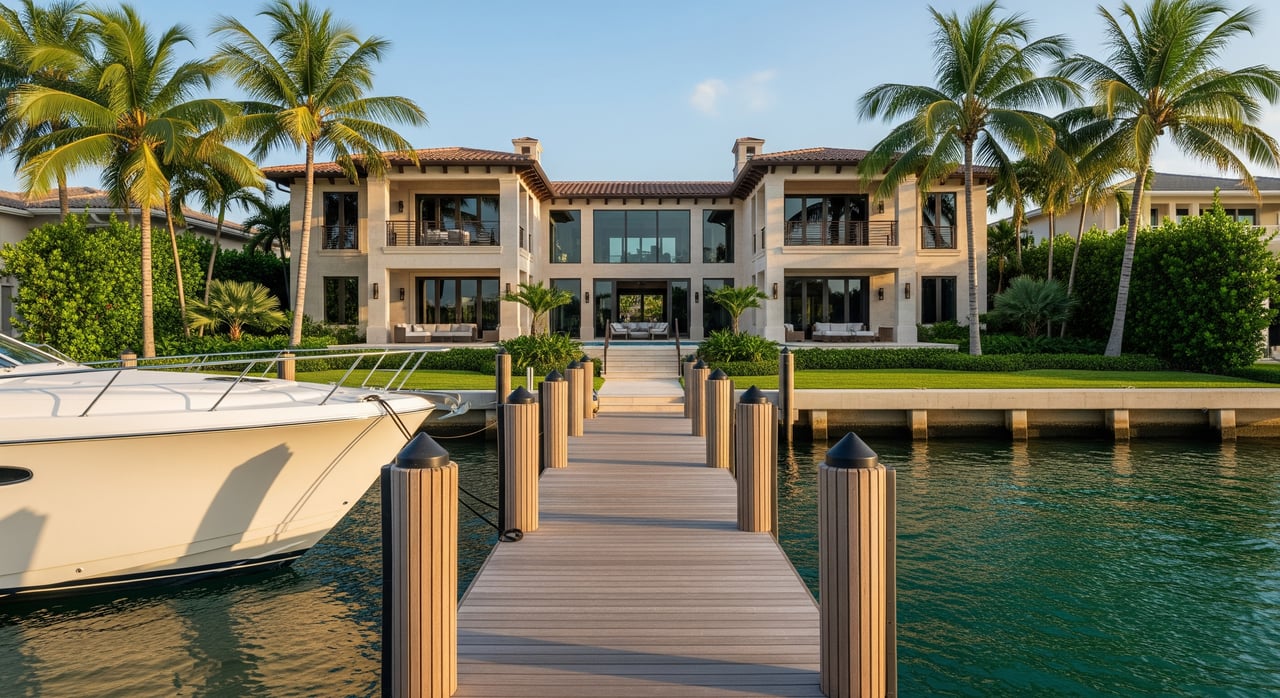
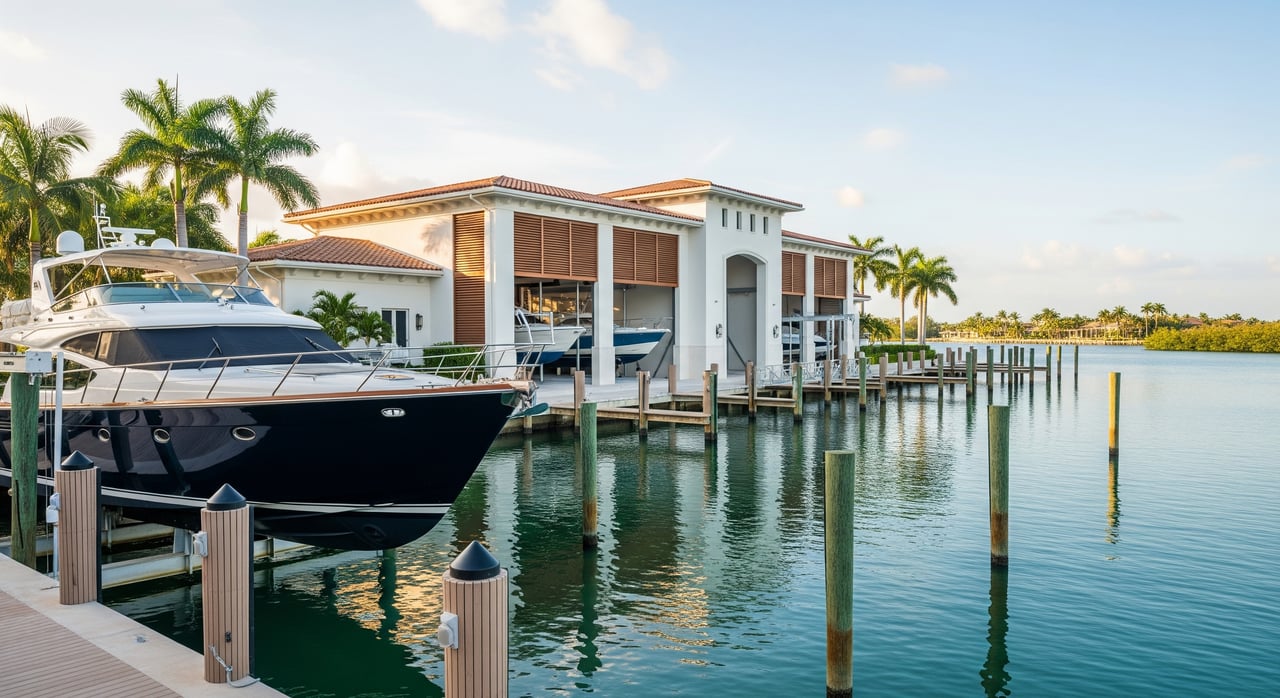
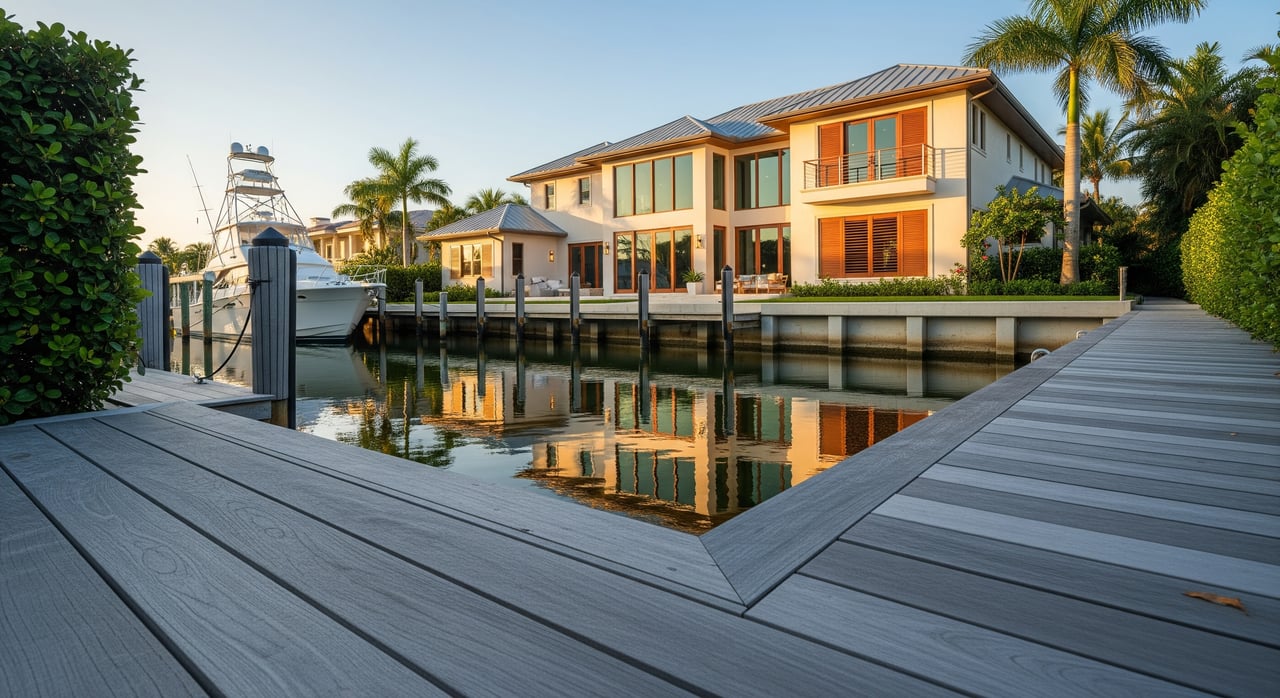
For waterfront buyers, details matter. A dock, boat lift, seawall condition, protected view corridor, or usable shoreline can all influence both desirability and value.
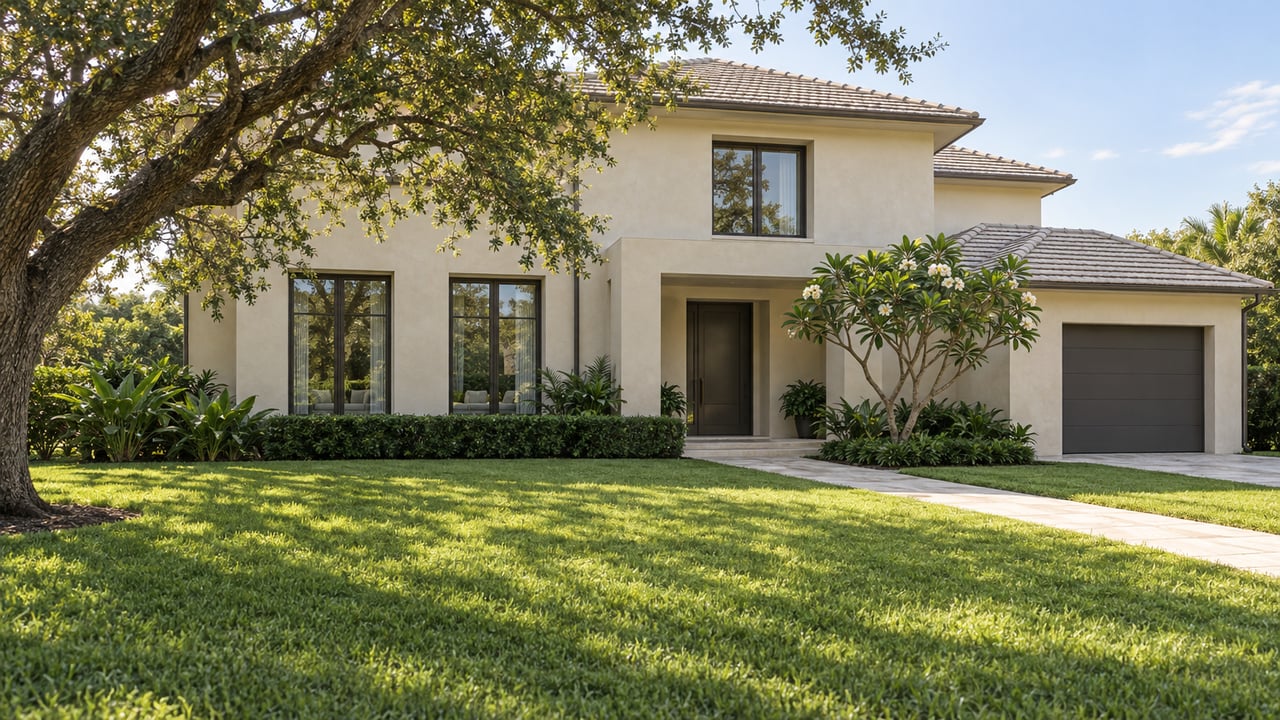
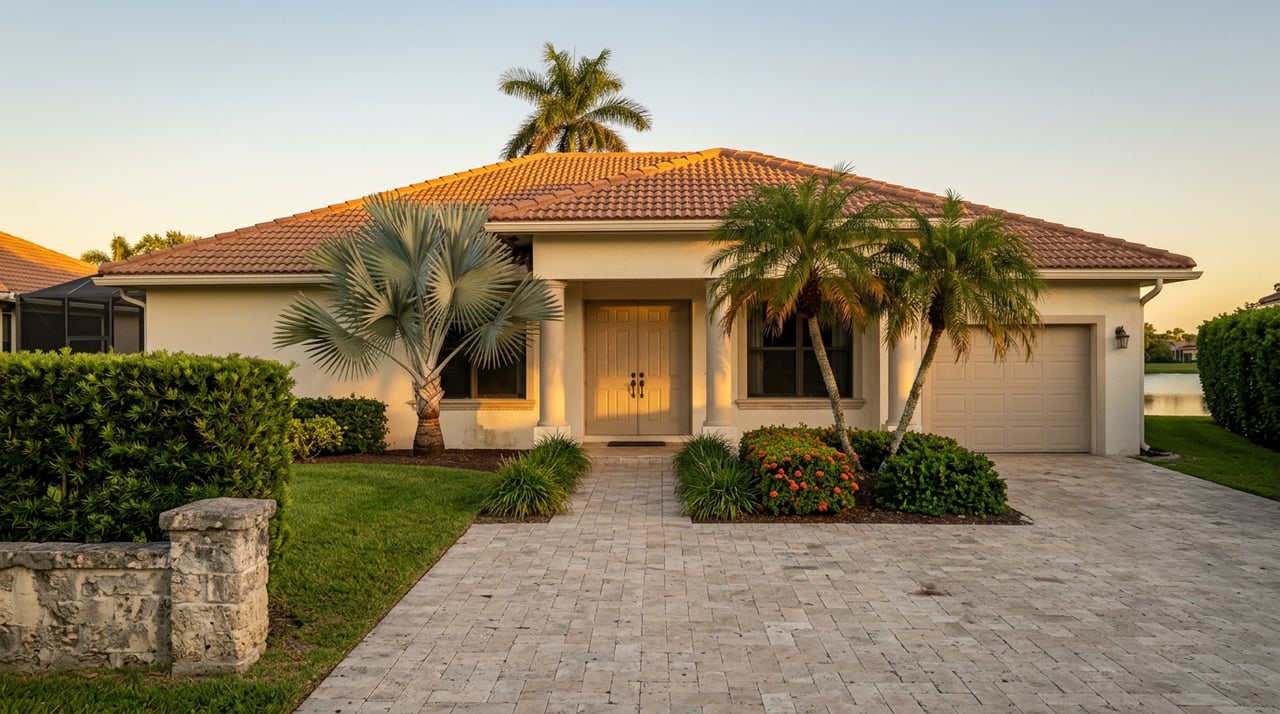
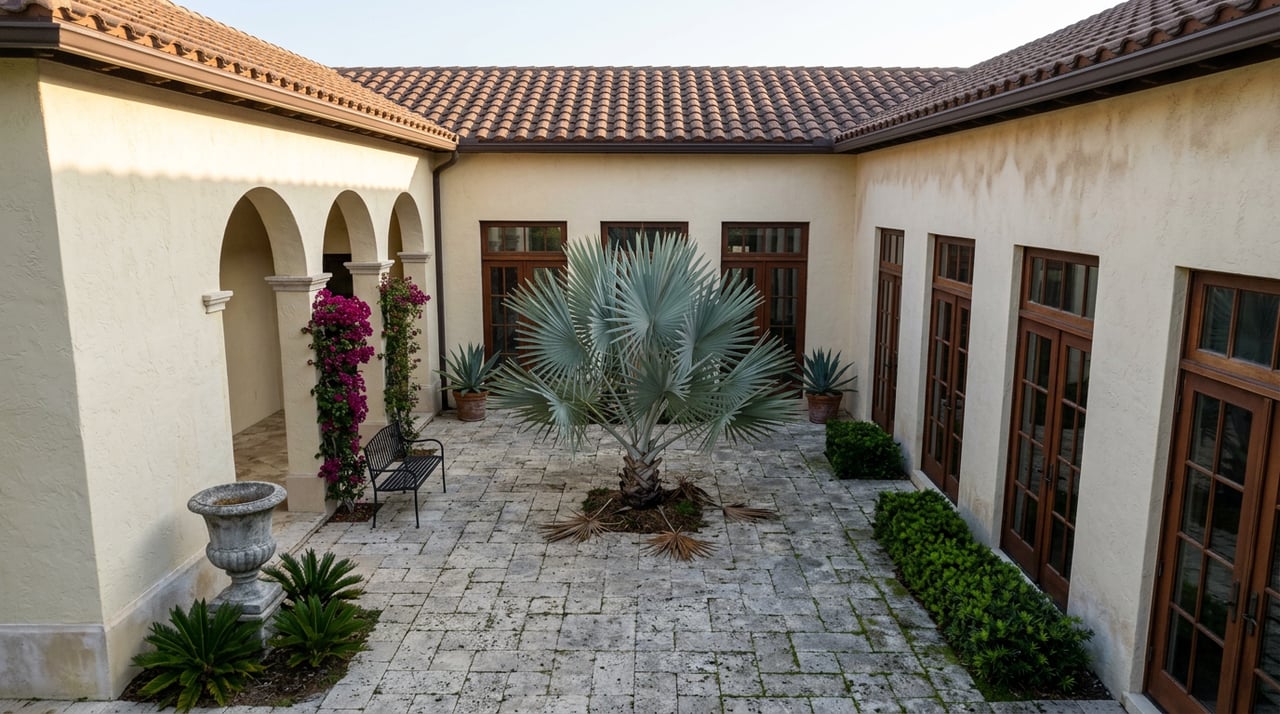
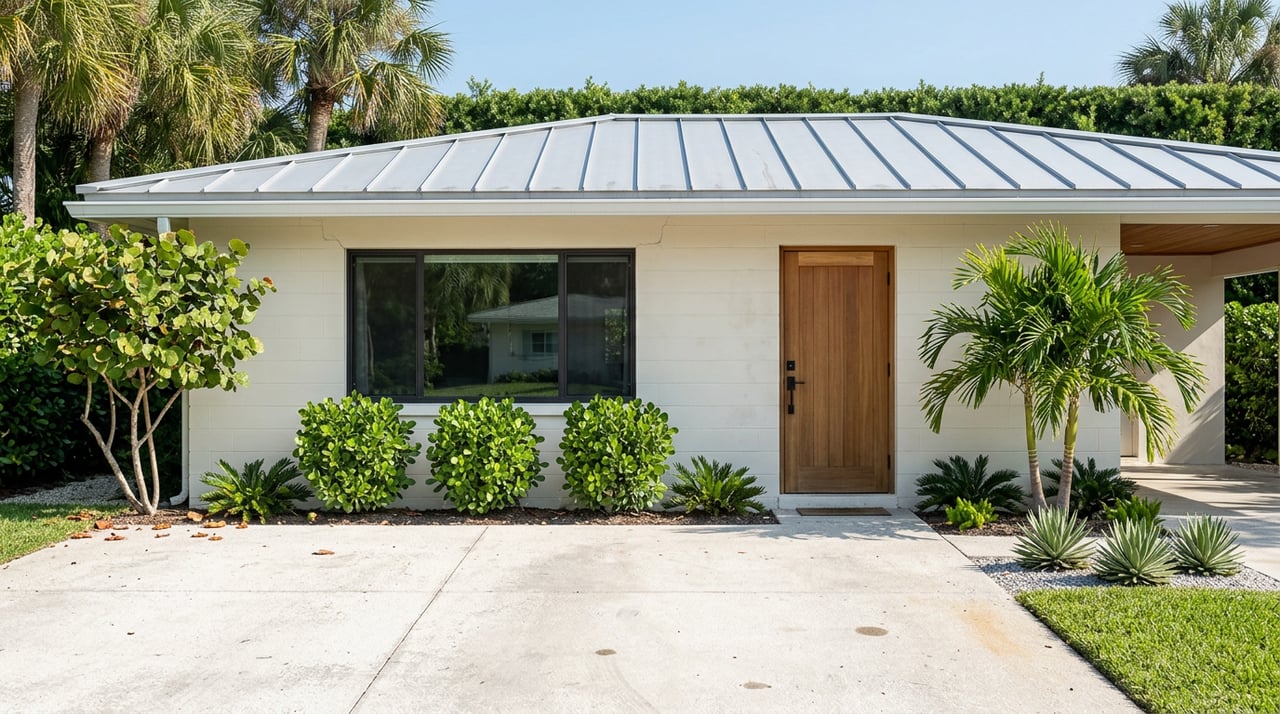
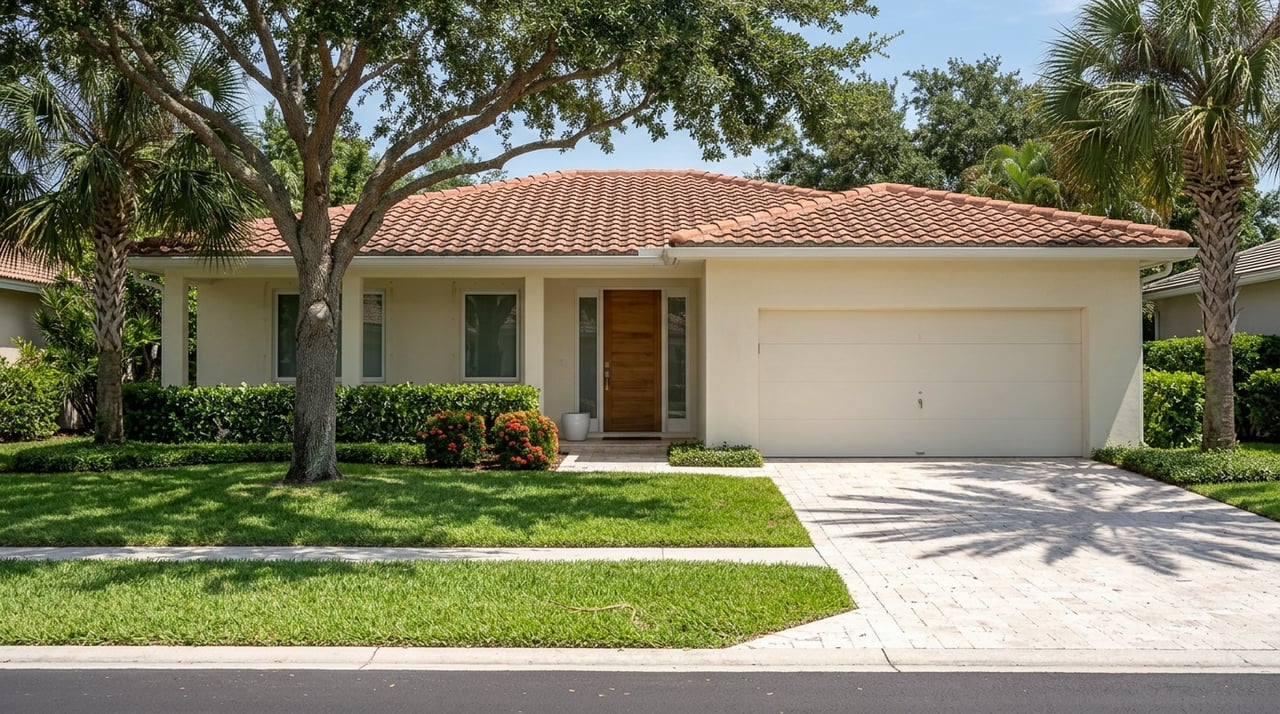
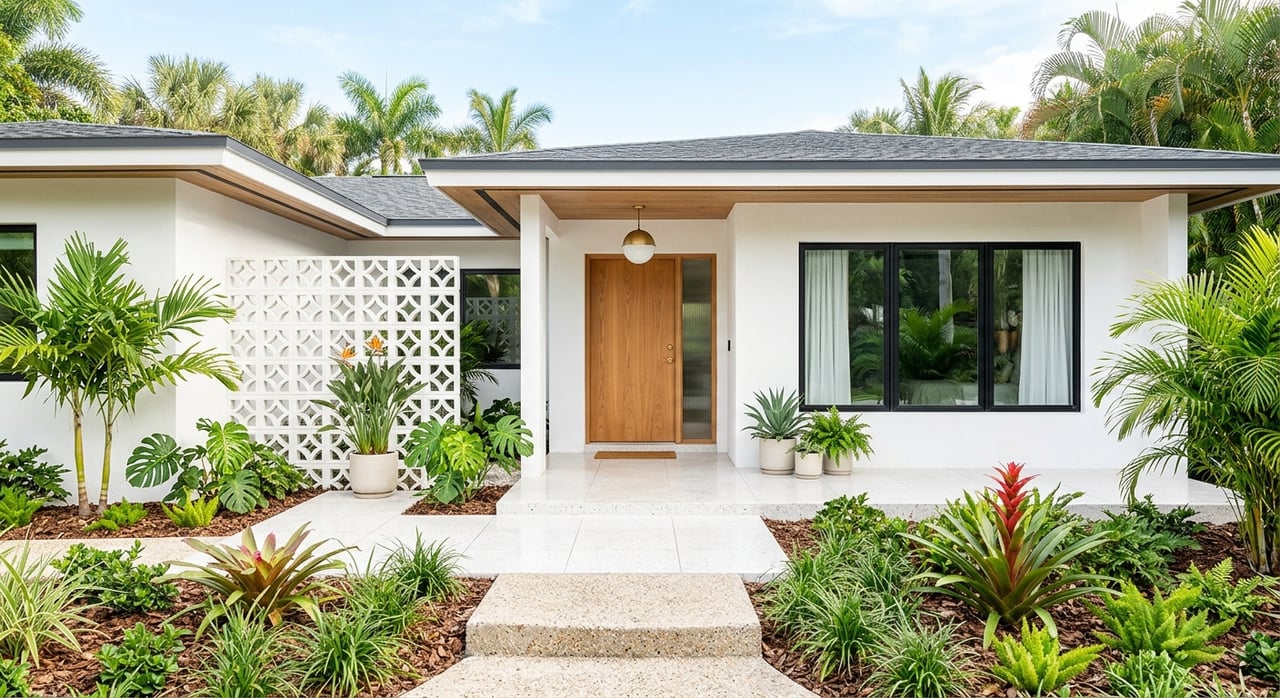
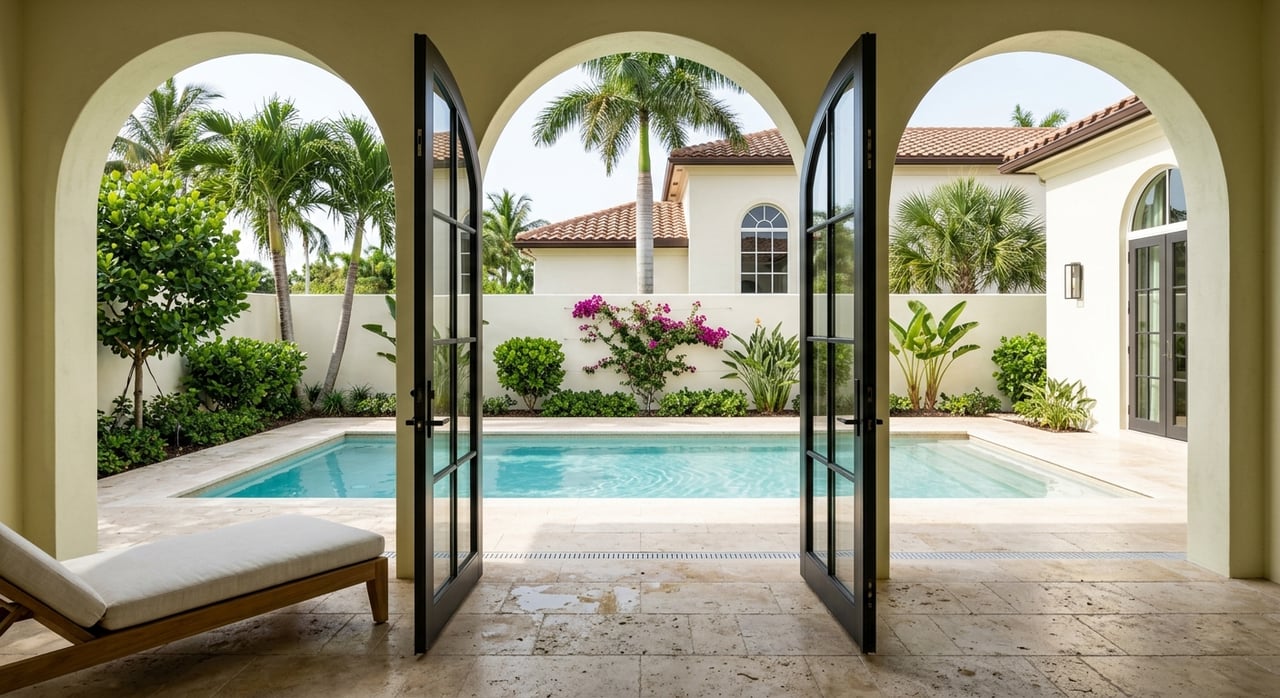
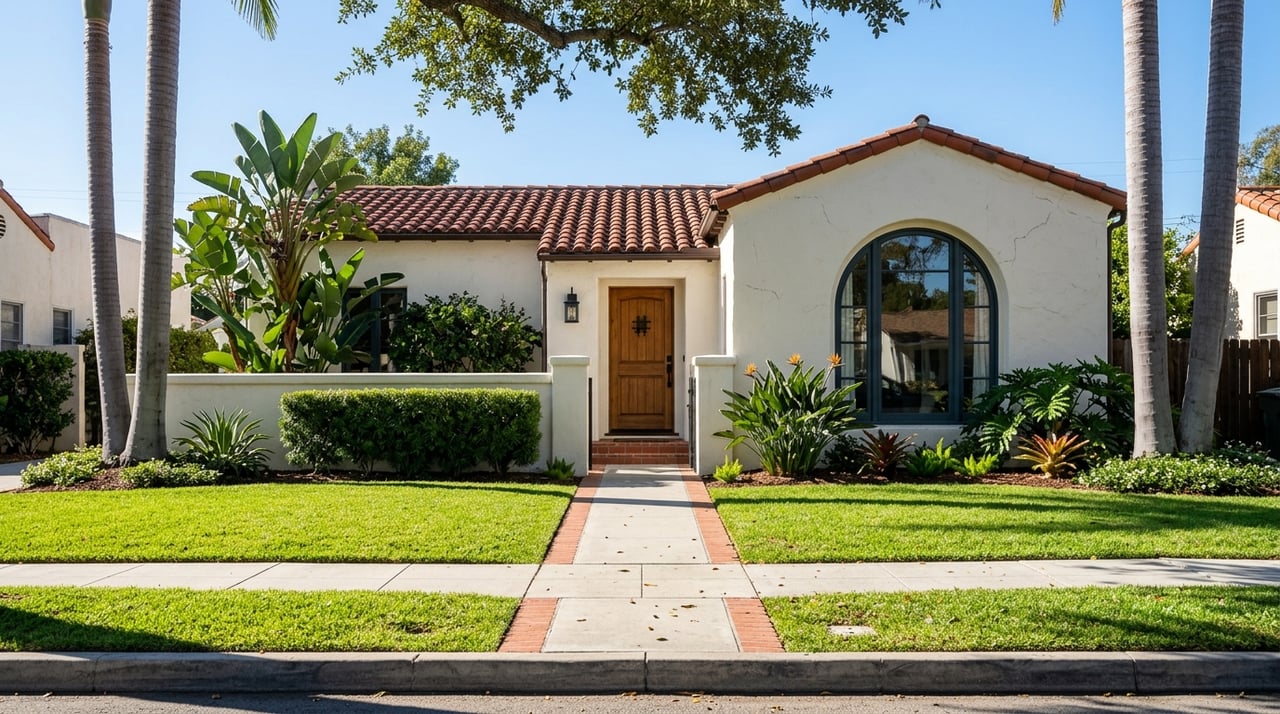
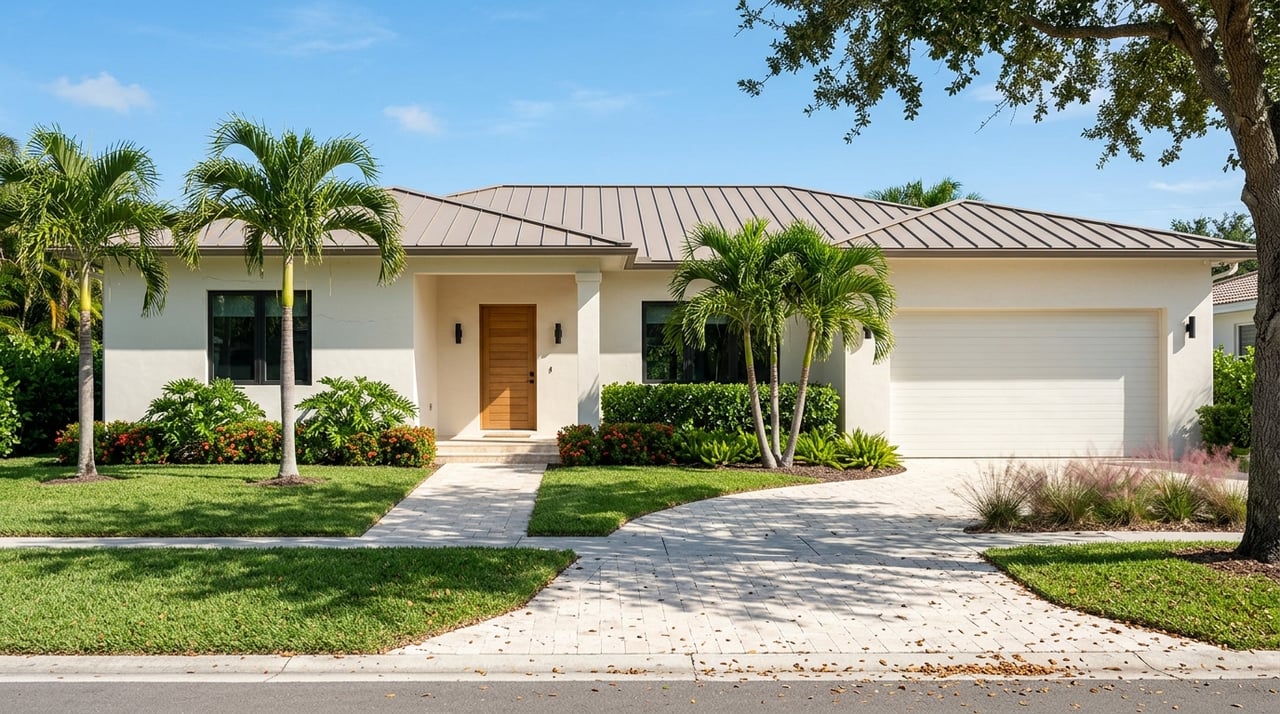
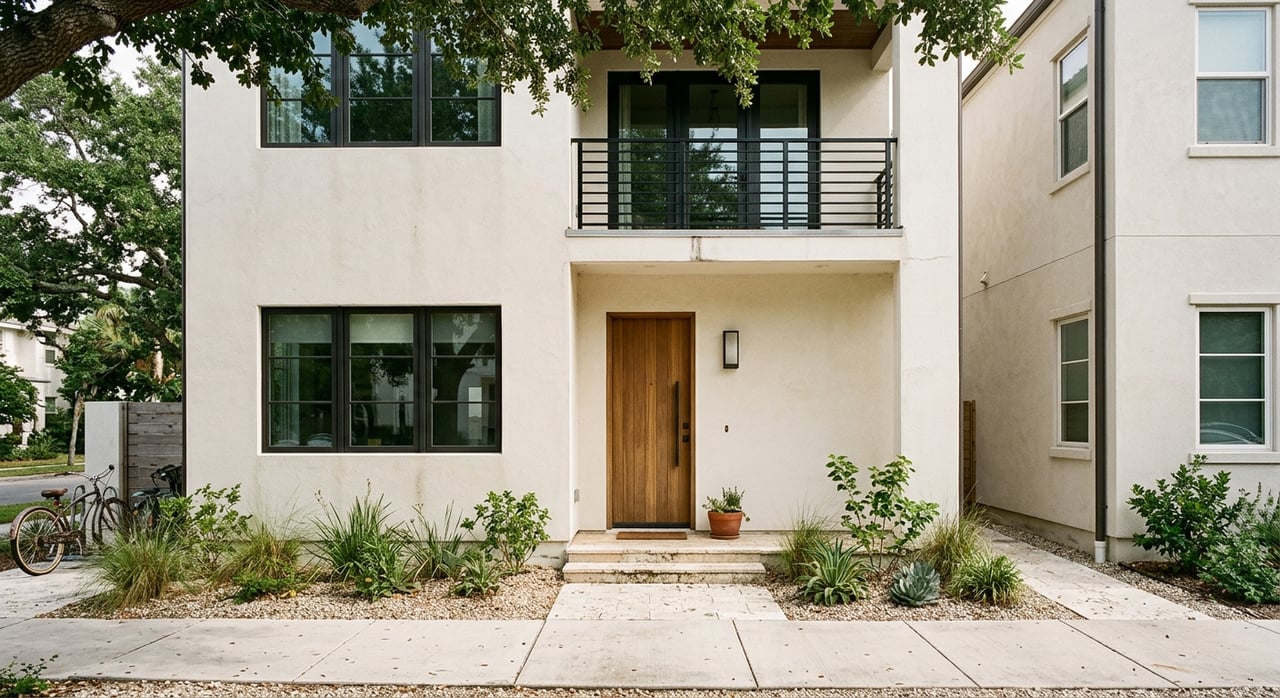
Jupiter Island is not defined by one single architectural style. Instead, the market is known for custom, site-specific homes designed around lot shape, water exposure, and privacy.
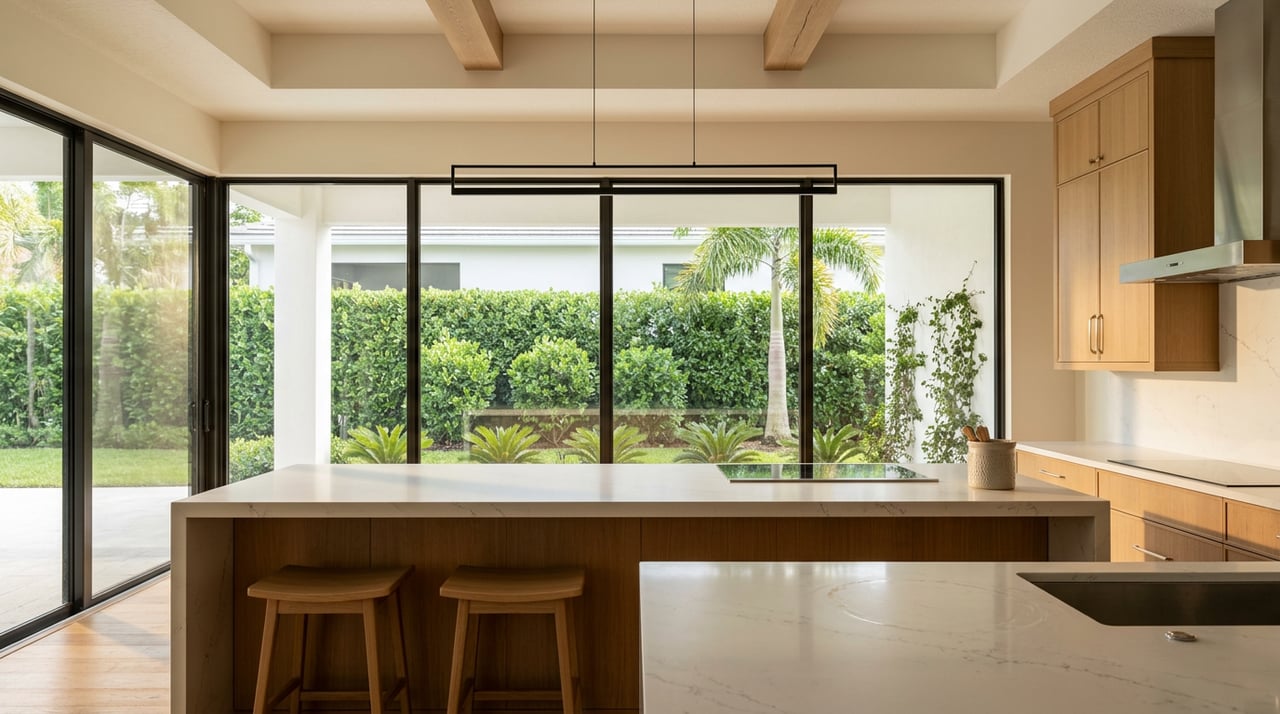
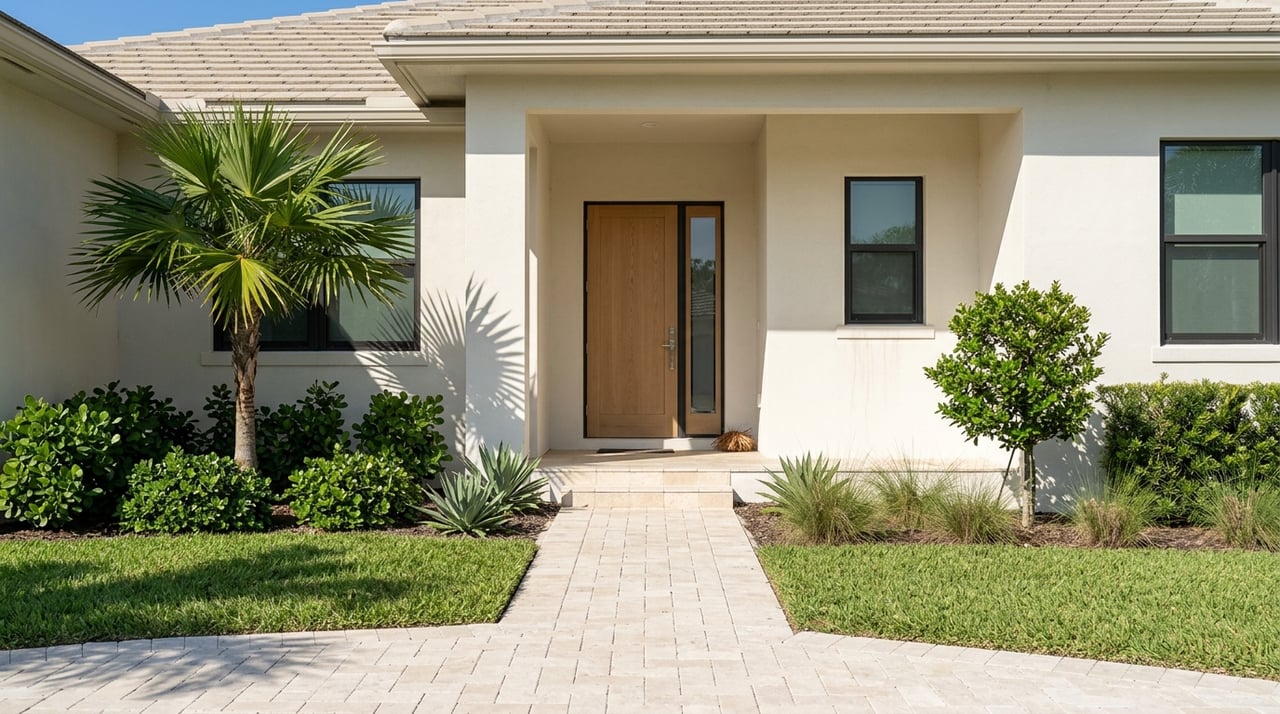
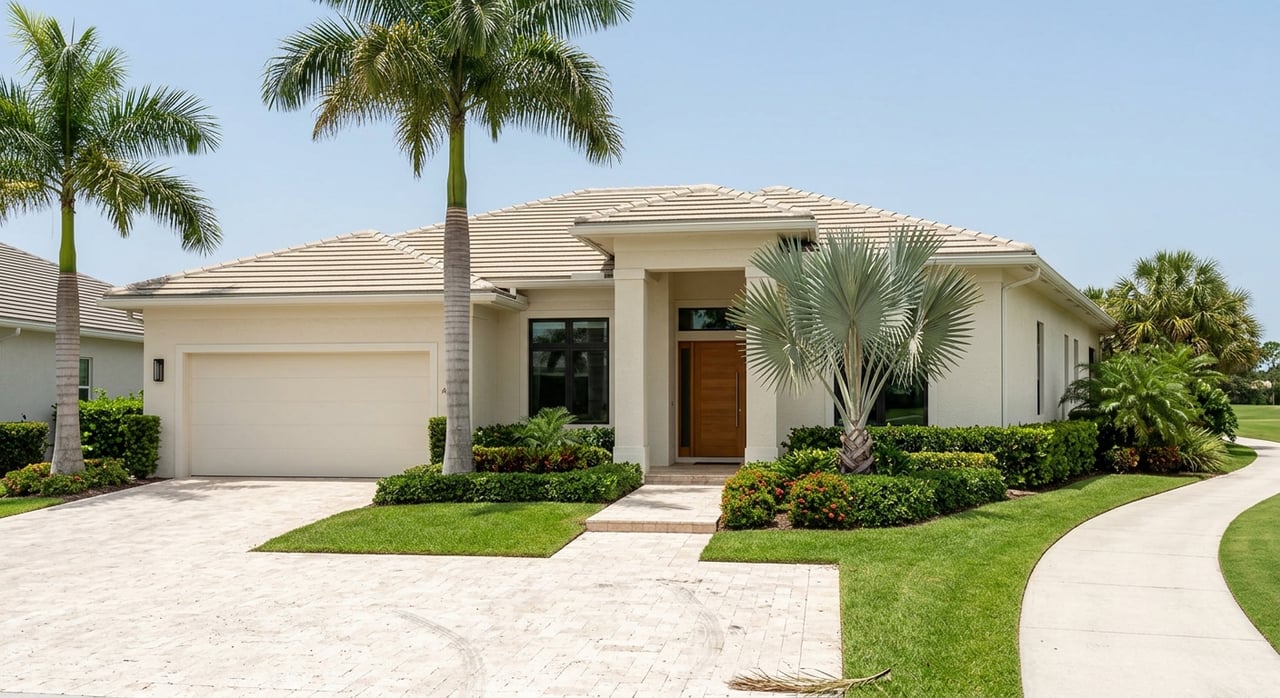
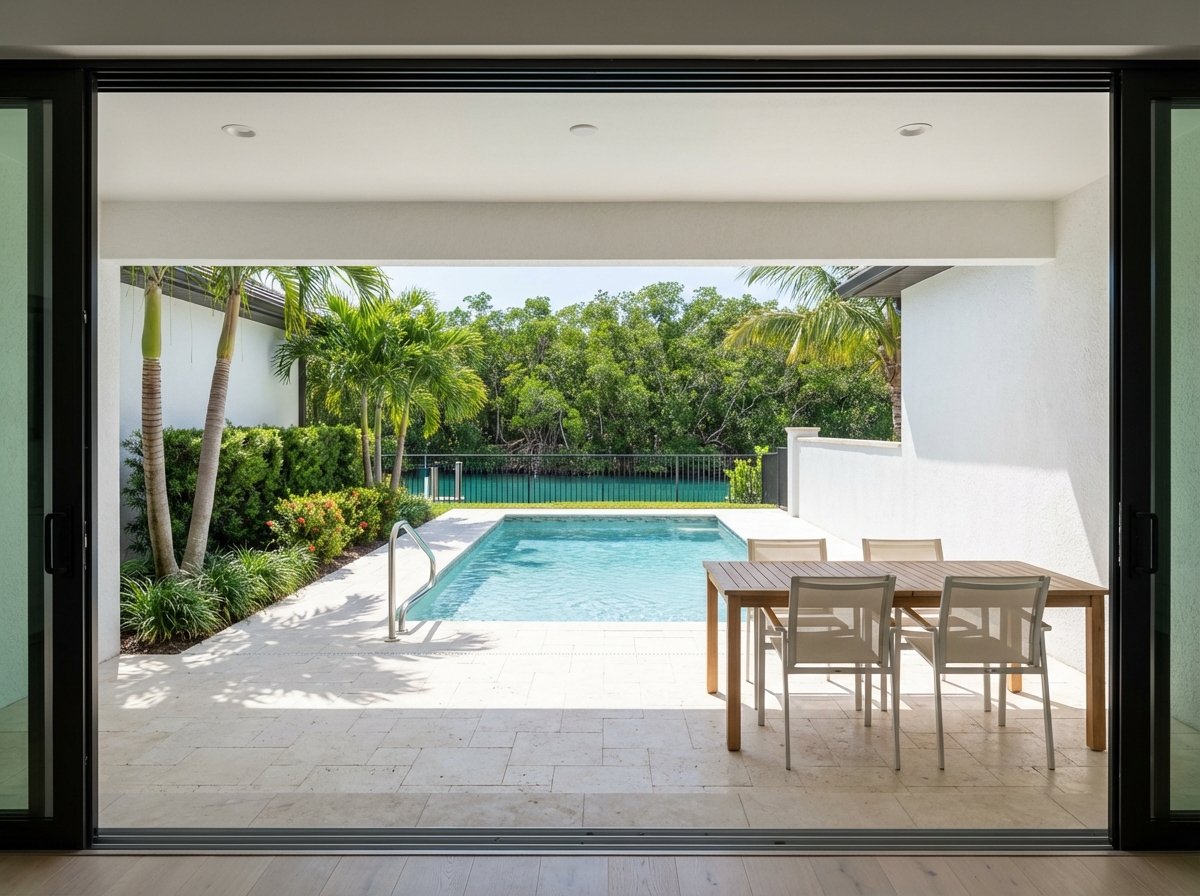
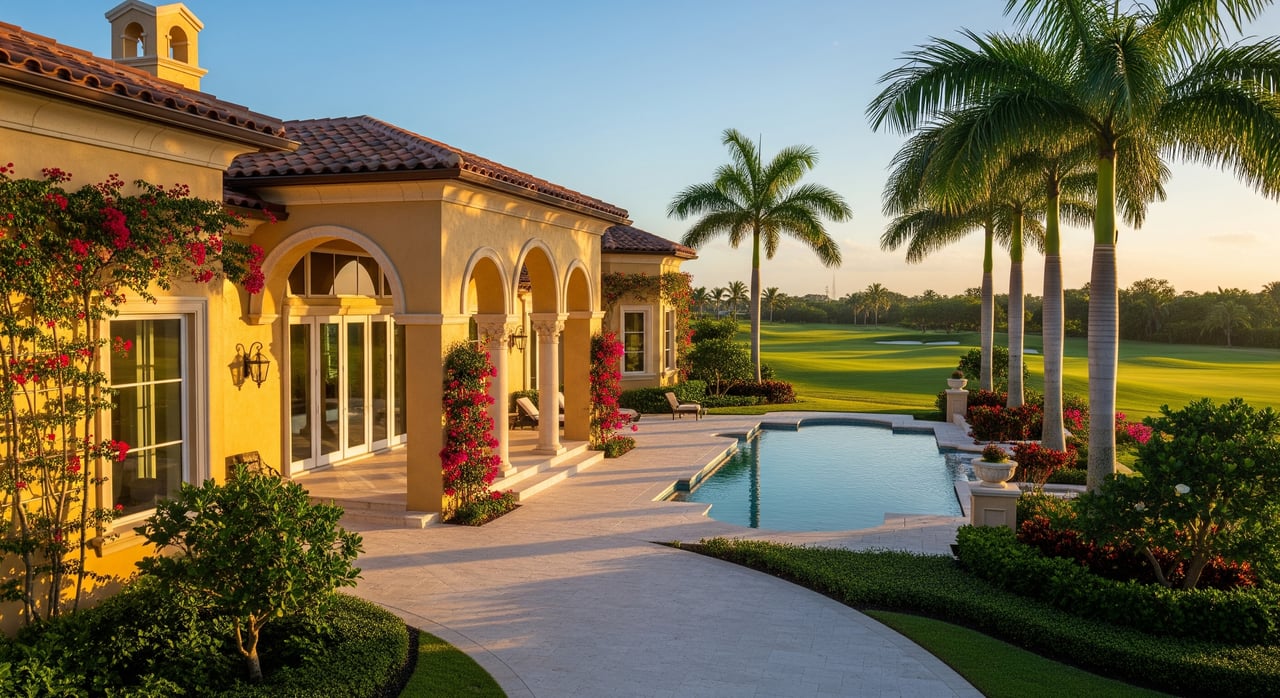
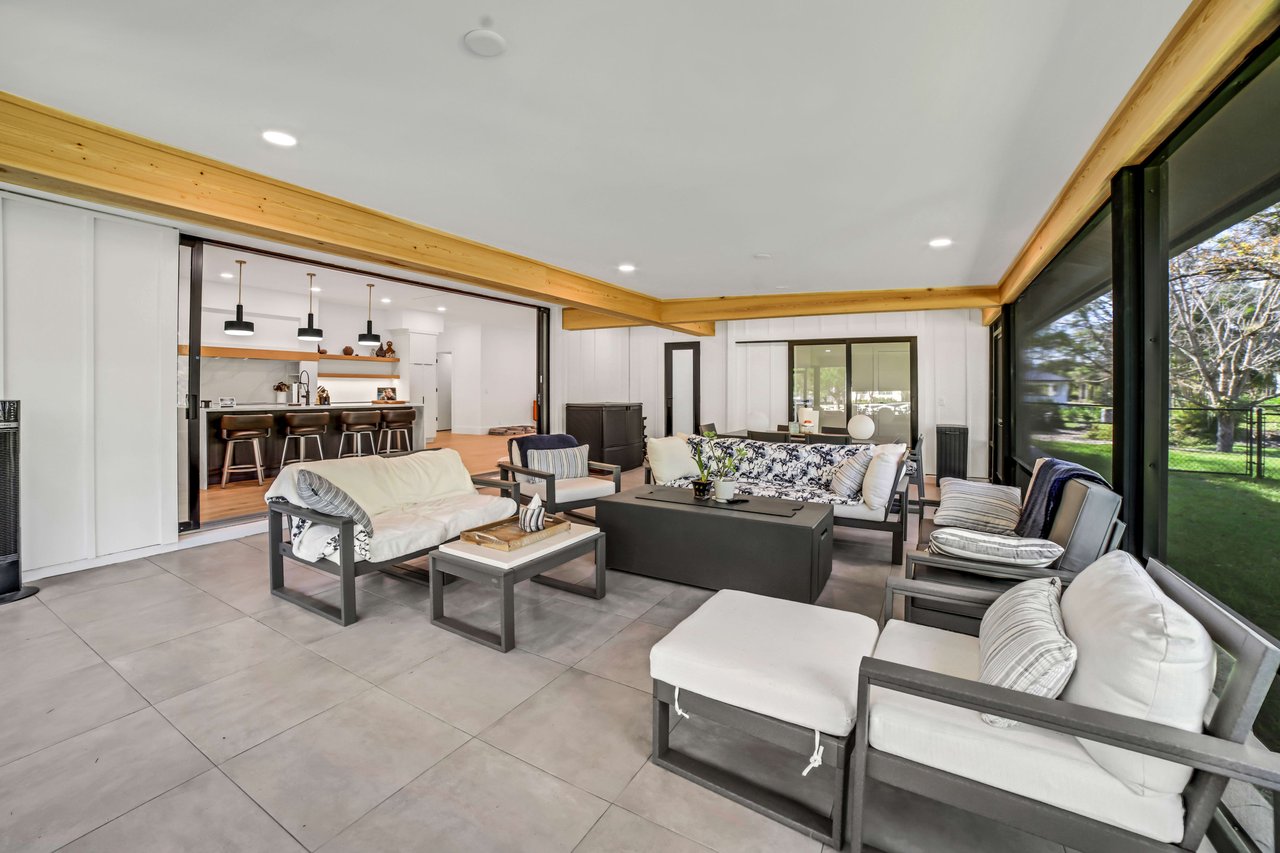
You may see streamlined stucco homes with coastal details, Mediterranean-inspired rebuilds, or newer contemporary residences that emphasize glass, natural light, and indoor-outdoor living. The town’s planning documents also note that many large homes include features like private pools or tennis courts.
That variety matters because buyers are rarely comparing one standard product against another. They are comparing design choices, setting, and how well a property uses its specific site.
The clearest recent town-level snapshot comes from the Martin County Property Appraiser and MIAMI REALTORS Q1 2025 report. For Jupiter Island single-family homes, there were 7 closed sales, a median sale price of $19.7 million, an average sale price of $19.35 million, 11 new listings, 20 active listings, a median 42 days to contract, and 16.0 months of supply.
That is a very small sample, so quarter-to-quarter changes can look dramatic. Still, the bigger takeaway is consistent: Jupiter Island is a thin, high-dollar market with slower absorption than a more liquid luxury area.
A separate 2025 luxury report covering Jupiter Island and Jupiter Inlet Colony found 15 closed sales at $5 million and above, with $265.1 million in total volume. Within that group, Jupiter Island accounted for 11 sales and $224.5 million in volume, with a median sale price of $19.7 million and a median price of $2,298 per square foot.
In a market like Jupiter Island, price is never just about square footage. Vintage, waterfront type, lot depth, privacy, and condition can all move value significantly.
That same 2025 luxury report found a median list-to-sale ratio of 92.9% versus final list price. It also noted that some homes ultimately sold at just 69% to 79% of their original asking price after spending 38 to 176 days on market.
That tells you something important. Sellers who start too high may face a long runway and steeper adjustments later, while well-positioned properties can still attract strong interest when pricing reflects the home’s true place in the market.
In many markets, you can pull a clean set of recent comps and build a pricing strategy from there. On Jupiter Island, that is much harder because each property is so individualized.
A home’s value may be influenced by whether it sits on the ocean or Intracoastal, whether it has dockage, how much frontage it offers, what kind of privacy buffer it has, and whether the home is newer or older. Even two homes with similar square footage may live in completely different pricing lanes.
This is one reason Jupiter Island behaves more like a bespoke estate market than a conventional residential market. A handful of trophy sales can shift the stats, but those numbers do not always tell the full story behind an individual property.
Buying on Jupiter Island usually requires broader due diligence than a standard home purchase. Waterfront and coastal conditions affect not only ownership costs, but also what you may be able to improve over time.
The town notes that floodplain improvements require permits, and its coastal-management policies are designed to limit development in areas with natural disaster or sea-level-rise exposure. For buyers, that means you are evaluating more than a floor plan or finish level.
A smart due diligence review may include:
The town’s comprehensive plan also notes that much of the developed area relies on on-site septic systems rather than public sewer, with public sewer limited to the Jupiter Island Club and the 600 block of South Beach Road. That infrastructure detail can affect both planning and long-term ownership decisions.
If you are selling on Jupiter Island, presentation and pricing both matter, but pricing discipline may matter most. Because the buyer pool is smaller, overpricing can cost time and negotiating leverage.
Luxury buyers in this segment are often comparing not just homes, but rarity. They may be weighing ocean frontage against Intracoastal dockage, or newer construction against a premium lot that needs updating.
That is why strategic positioning is so important. A thoughtful launch, clear story, and pricing strategy grounded in the island’s actual sales patterns can help your property stand out in a market where no two listings are exactly alike.
Martin County data from July 2025 helps frame the luxury backdrop. Countywide, single-family sales at $1 million and above rose 3% year over year to 30 transactions, cash buyers made up 44.8% of closed sales, and single-family inventory reached 5.6 months of supply.
Jupiter Island is more rarefied than that broader county picture, but the county data still highlights an important point. Luxury activity remains active, and cash plays a meaningful role, yet Jupiter Island operates on an even smaller and more selective scale.
For buyers and sellers alike, that means patience and strategy usually outperform speed alone. Timing, fit, and precise market positioning tend to matter more here than broad market headlines.
Jupiter Island’s luxury home market is defined by scarcity, privacy, and highly individualized value. The island’s small number of parcels, estate-style zoning, waterfront variety, and coastal constraints create a market where each property needs to be understood on its own terms.
If you are buying, careful due diligence is essential. If you are selling, accurate pricing and standout positioning can make a major difference. In either case, local market knowledge matters because this is not a place where broad luxury trends tell the whole story.
If you are considering a move on Jupiter Island or want guidance on how your property fits into this niche coastal market, connect with Erica Wolfe for local insight and a thoughtful strategy.






























Experience the Magic of the Palm Beach Holiday Boat Parade






It's officially our favorite time of the year in Jupiter.

Strategic Marketing, Clear Communication, and Experience have consistently placed Erica Gouldy Wolfe, and now the Wolfe Team, among the top professionals in the real estate industry. Utilizing the latest technologies and marketing strategies they are raising the bar in the industry, all while raising the views on your home.