Why Stuart Is Spending $3 Million on Its Downtown Courtesy Docks
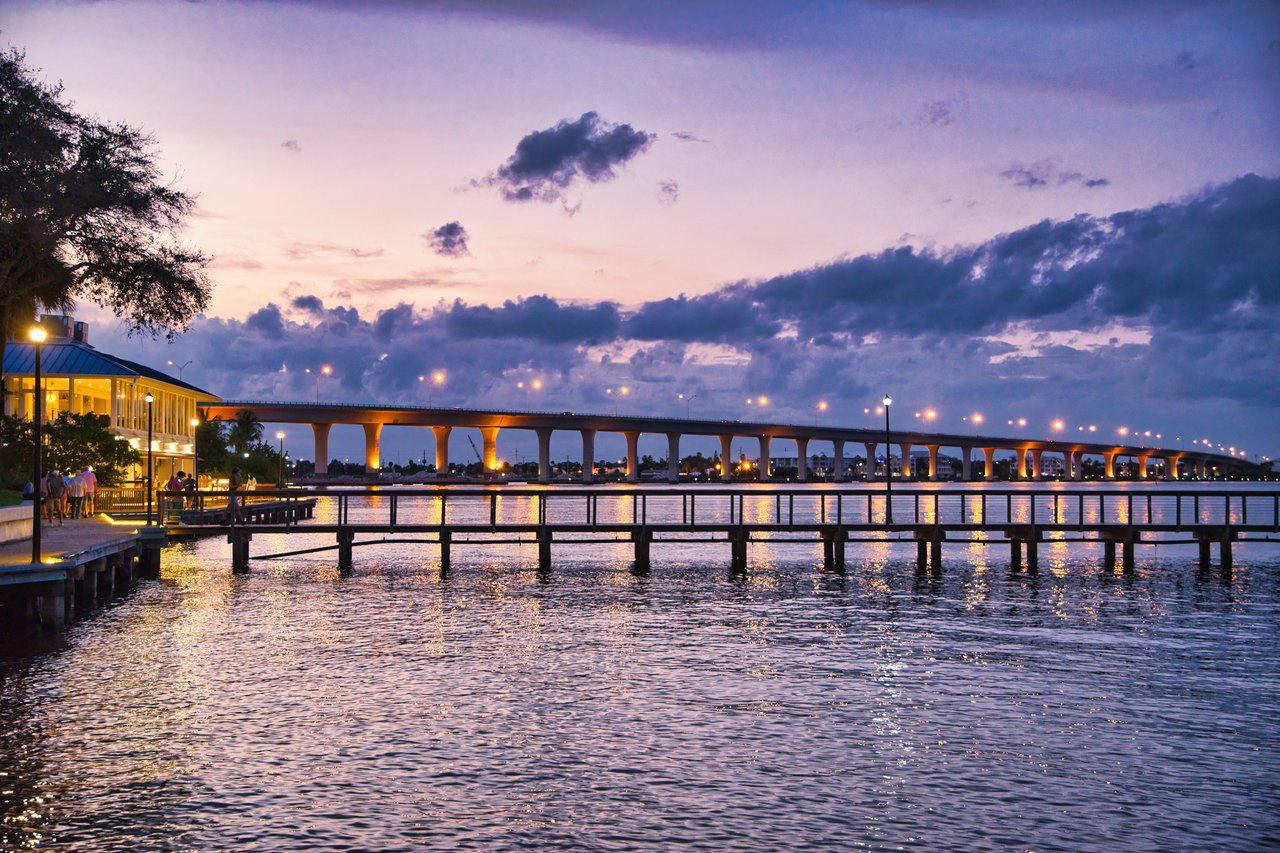
If you have walked the downtown Stuart waterfront lately, you already know the courtesy docks are one of the best things about the place. You can pull a boat in, tie up, and walk straight into the restaurants, shops, and events that make downtown Stuart feel like a small coastal town that still has its character. Starting this summer, that waterfront is getting a serious upgrade.
The City of Stuart is investing roughly $3 million to overhaul the courtesy dock behind City Hall. Here is what is changing, when it is happening, and why it matters if you live, boat, or are thinking about buying in Martin County.
Construction begins Monday, July 6, 2026. The courtesy docks will close during the build. The city expects the new dock system to be ready in time for the 2027 Fourth of July celebration, which is one of downtown Stuart's signature events of the year.
So the short version: the waterfront goes quiet for roughly a year, then reopens bigger and built to last.
The slip count jumps from 18 to 44. That is an increase of 26 slips over the current configuration, and it is the headline number for boaters.
Right now, the courtesy docks see about 1,450 boaters a year. On a busy weekend, anyone who has circled looking for an open spot knows how quickly the current setup fills. More than doubling the capacity means more room for visiting boaters to come in, tie up, and spend time (and money) in the downtown district.
The new layout is a marina-style design. It replaces the aging 5,533-square-foot floating dock with a larger, primarily fixed structure, plus a smaller concrete floating dock and a floating vessel platform for non-motorized vessels like kayaks and paddleboards. The design is built to serve both motorized and non-motorized boaters, which fits how people actually use this stretch of the St. Lucie River.
This is the part that matters most for the long term, and it is the smarter play.
The existing floating docks have taken a beating. Every storm season, wave action damages the finger piers, and the city ends up paying to repair them again and again. Public Works Director Milton Leggett put it plainly at a recent City Commission meeting: the floating dock took storm damage year after year, while the fixed dock structures held up without the same damage. The city chose the fixed design specifically because it is more durable and cuts long-term repair costs.
There is a real tradeoff here worth being honest about. Floating docks rise and fall with the tide, so functionally a lot of boaters prefer them day to day. Fixed docks do not move with the water. But in a place that sees hurricanes and heavy storm seasons, durability wins. As Mayor Christopher Collins noted, reducing the repair cycle ultimately saves taxpayers money. For a public dock that has to survive Florida weather on a city budget, the fixed system is the call that holds up.
The project is funded through a $1.15 million grant from the Florida Inland Navigation District, with the remaining balance covered by Transportation Impact Fee funds. Cummins Cederberg is the project engineer, and Custom Built Marine Construction is the contractor.
Translation for residents: a large share of the cost is covered by a navigation district grant and impact fees rather than landing entirely on the general tax base, and the fixed design is designed to keep future repair bills down.
Waterfront access is one of the quiet reasons Stuart holds its value. It is not just the homes on the water. It is the fact that the whole downtown is built around the river, and the city keeps investing in that connection between the water and the district.
A few things this project signals:
For boaters, downtown Stuart becomes a far easier place to visit by water. Forty-four slips, a storm-resilient structure, and a layout designed for both power boats and paddle craft make the courtesy dock a genuine destination rather than a tight squeeze.
For homeowners, public infrastructure like this supports the broader waterfront lifestyle that drives demand in Stuart and the surrounding Treasure Coast. When a city puts $3 million into making its waterfront more usable and more durable, that is a signal about where the area is headed.
For buyers weighing Martin County against Palm Beach County, this is the kind of detail that gets overlooked on a listing portal but shapes daily life. The walkable, boat-friendly downtown is a big part of what makes Stuart feel different from the busier markets to the south.
The Stuart courtesy dock expansion is a $3 million bet on the waterfront, and it is a sensible one. More slips, a storm-resilient fixed design, and a completion target timed to the 2027 Fourth of July. Expect about a year of construction, then a downtown waterfront that works better for everyone who uses it.
This is one of the things that makes Stuart special, and it is only getting better. If you want to understand how Martin County stacks up for waterfront living, or you are weighing a move to the Treasure Coast, our Relocation Guide breaks down the submarkets, the lifestyle, and what your money buys across the area.
[Request the Wolfe Team Relocation Guide]
The Wolfe Team covers Northern Palm Beach County and Martin County, from beach and waterfront to country club and acreage. Local depth on every submarket.



























Experience the Magic of the Palm Beach Holiday Boat Parade


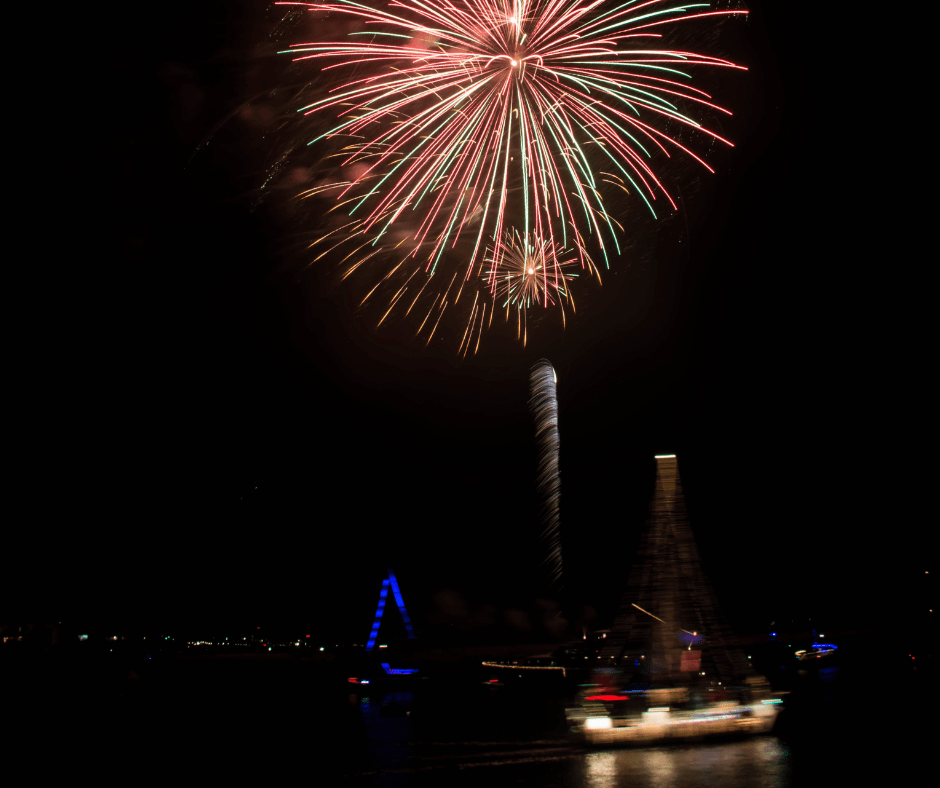




It's officially our favorite time of the year in Jupiter.

Strategic Marketing, Clear Communication, and Experience have consistently placed Erica Gouldy Wolfe, and now the Wolfe Team, among the top professionals in the real estate industry. Utilizing the latest technologies and marketing strategies they are raising the bar in the industry, all while raising the views on your home.